
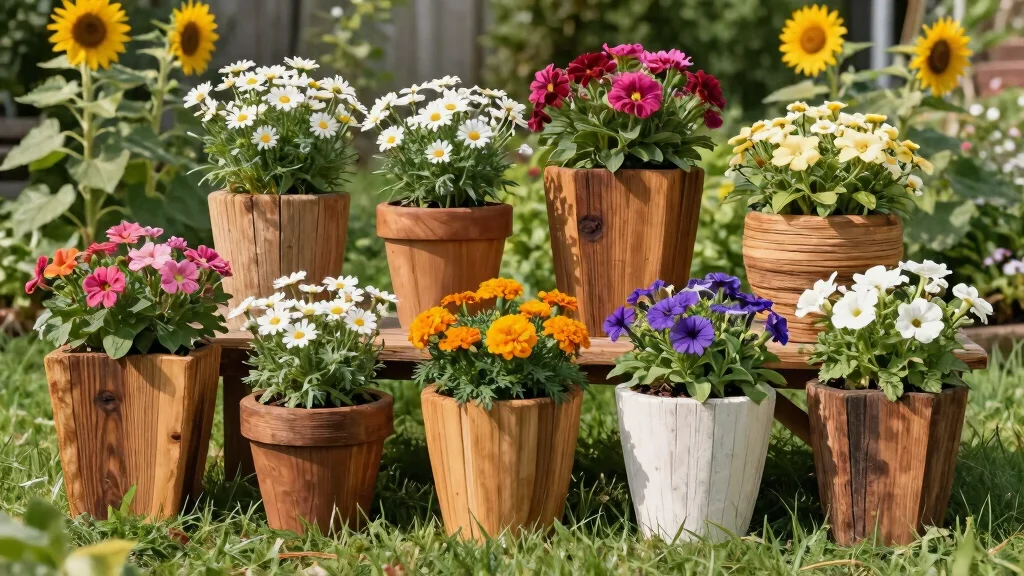
Wooden flower pots bring a charming touch to any garden space, and with the rise in eco-friendly practices, they are more popular than ever. If you find yourself dreaming of rustic gardening decor that blends seamlessly into nature, then this post is for you. You might be craving that warm, inviting atmosphere that only natural wood can provide. It’s time to explore how to transform your outdoor spaces with unique and creative wooden flower pot ideas.
Whether you’re a seasoned gardener or just starting out, you’ll find plenty of inspiration here. From reclaimed wooden crates to innovative DIY wooden planters, there are countless ways to incorporate wooden containers into your gardening routine. You’ll discover practical tips and clever ideas that not only look stunning but also contribute to a sustainable lifestyle. Get ready to dive into 11 wooden flower pot ideas that will add rustic warmth to your garden while being kind to the environment.
By the end of this post, you’ll have a treasure trove of creative options at your fingertips. You’ll learn how to craft beautiful outdoor flower arrangements and embrace eco-friendly garden ideas that reflect your personal style. So, grab your gardening gloves, and let’s get started on turning your garden into a haven of natural beauty with these wooden flower pots.
Key Takeaways
– Explore various styles of wooden flower pots, including reclaimed crates and DIY planters, to find the perfect fit for your garden.
– Understand the benefits of using natural wood containers, which not only enhance aesthetics but also promote eco-friendliness.
– Discover tips for creating unique outdoor flower arrangements that highlight your plants while maintaining a rustic charm.
– Learn how to repurpose everyday wooden items into functional planters, making gardening both creative and sustainable.
– Get inspired by diverse ideas, from wooden troughs to hanging planters, that will elevate your gardening game and personalize your outdoor space.
1. Reclaimed Wooden Crates
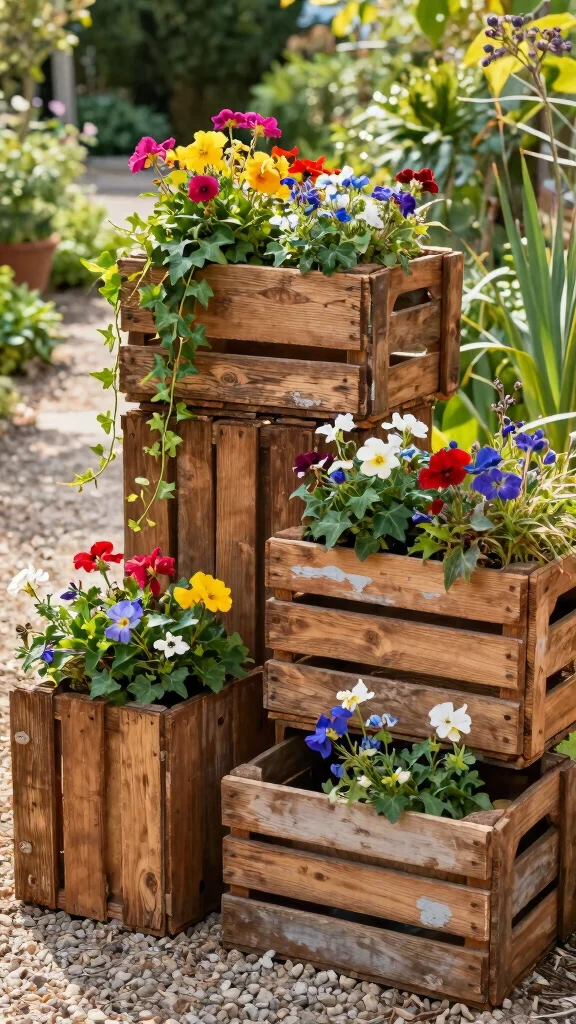
Reclaimed wooden crates are more than just storage; they can become beautiful flower pots that enhance your garden’s charm. You can stack them creatively or use them individually, filling them with vibrant plants like ivy or cheerful annuals. The unique character of weathered wood not only catches the eye but also adds warmth to your outdoor space.
Start by sanding any rough edges to make them safe to handle. Consider lining the inside with landscape fabric to promote drainage while retaining some moisture. When choosing plants, look for varieties that thrive in the depth and size of the crate.
Key steps to transform crates into planters:
– Sand rough edges for safety.
– Line with landscape fabric for drainage.
– Select plants that fit the crate’s size.
Reclaimed wood brings eco-friendly beauty to your garden while telling a rich story with its unique textures.
Fun fact: Reclaimed wooden crates can cut plastic waste by up to 50% in a small garden, while doubling as charming, breathable planters. Give them a quick sand and landscape fabric liner, and you’ve got eco-friendly wooden flower pots with rustic warmth.
2. DIY Wooden Planters
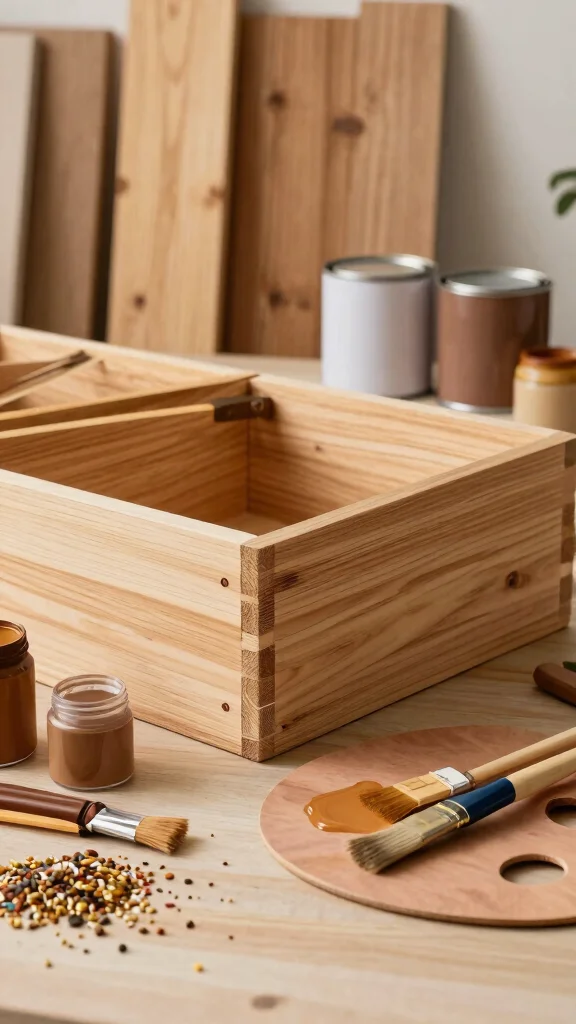
Making your own wooden flower pots is a delightful DIY project that adds a personal touch to your garden! You have the freedom to customize the size and style, ensuring they fit perfectly in your outdoor space. Untreated cedar or pine are fantastic options, as they naturally resist decay and lend a rustic feel.
To get started, use strong waterproof wood glue and screws for lasting durability. Don’t forget to drill drainage holes to keep your plants thriving. Get creative by adding eco-friendly stains or paints that highlight the wood’s natural beauty.
Tips for crafting your planters:
– Use waterproof glue and screws for strength.
– Drill holes for proper drainage.
– Decorate with eco-friendly paints or stains.
Building your own planters allows you to save money while infusing your unique style into your garden.
3. Stump Planters
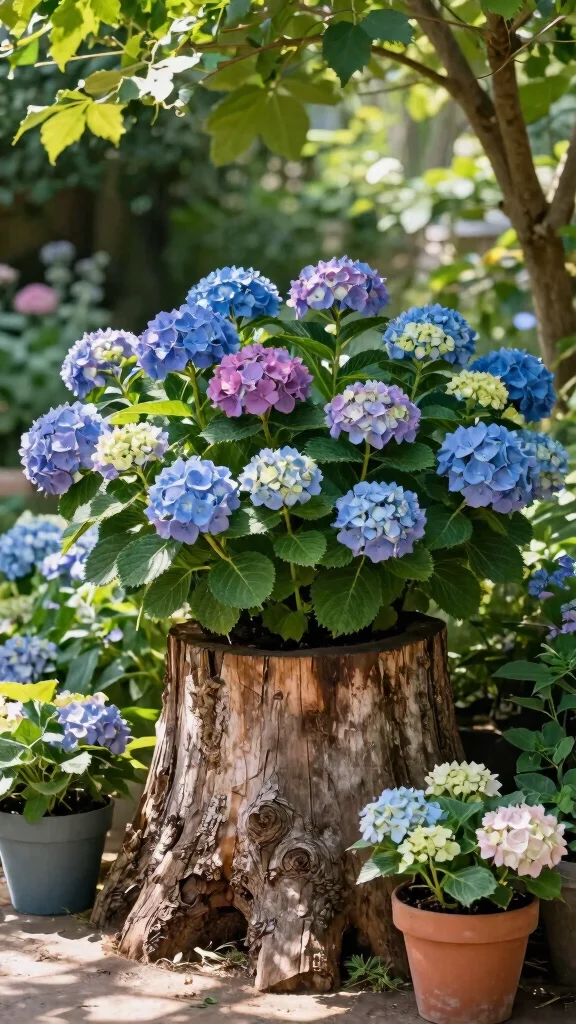
Transform old tree stumps into eye-catching wooden flower pots! This innovative approach not only recycles wood but also creates a stunning focal point in your garden. Stump planters can accommodate larger plants like hydrangeas or even small trees, contributing height and interest to your landscape.
To make the most of your tree stumps, hollow out the top for a spacious planting area. Treat the stump if desired to prevent decay, or embrace its natural look for a rustic aesthetic. Surround it with smaller pots or decorative features to create a cohesive garden design.
Steps for using stump planters:
– Hollow out the top for planting space.
– Treat the stump or use it naturally.
– Surround with smaller pots for style.
Using tree stumps in your garden blends natural beauty with sustainability effortlessly.
4. Pallet Planters
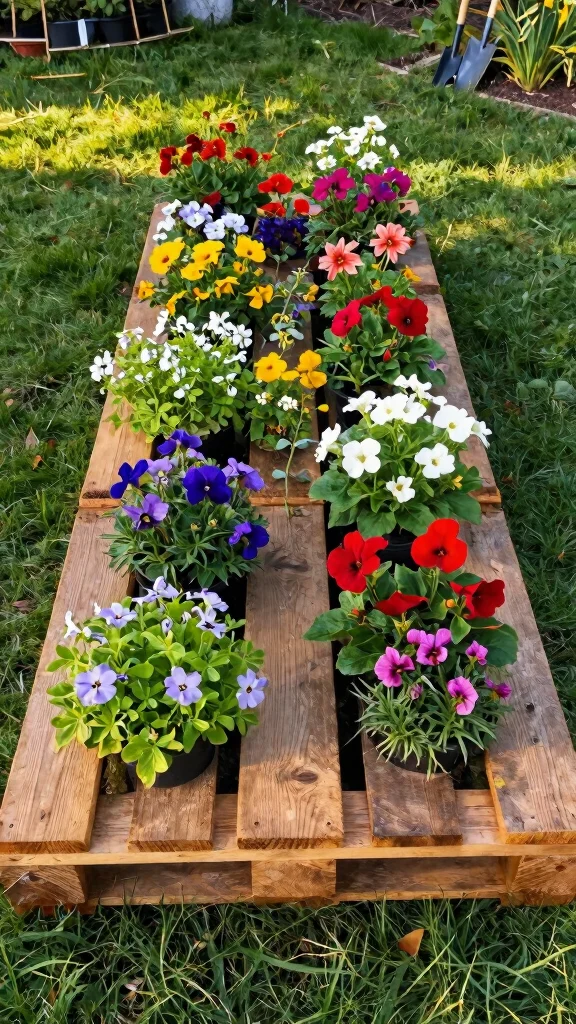
Old wooden pallets are a creative way to craft upcycled flower pots for your garden! You can stack them vertically to create a stunning vertical garden or lay them flat for a spacious flower bed. This eco-friendly method is ideal for smaller spaces or for adding layers to your garden design.
Begin by sanding the pallet to smooth out any rough areas. Fill the slats with nutrient-rich soil and plant trailing flowers that will spill over the edges beautifully. Consider painting or staining the pallet to add an extra pop of color to your outdoor space.
How to create pallet planters:
– Sand the pallet to prevent splinters.
– Fill slats with soil and plant.
– Paint or stain for added appeal.
Pallet planters not only provide a unique planting solution but also promote sustainable gardening practices that benefit the environment.
5. Wooden Bowls as Planters
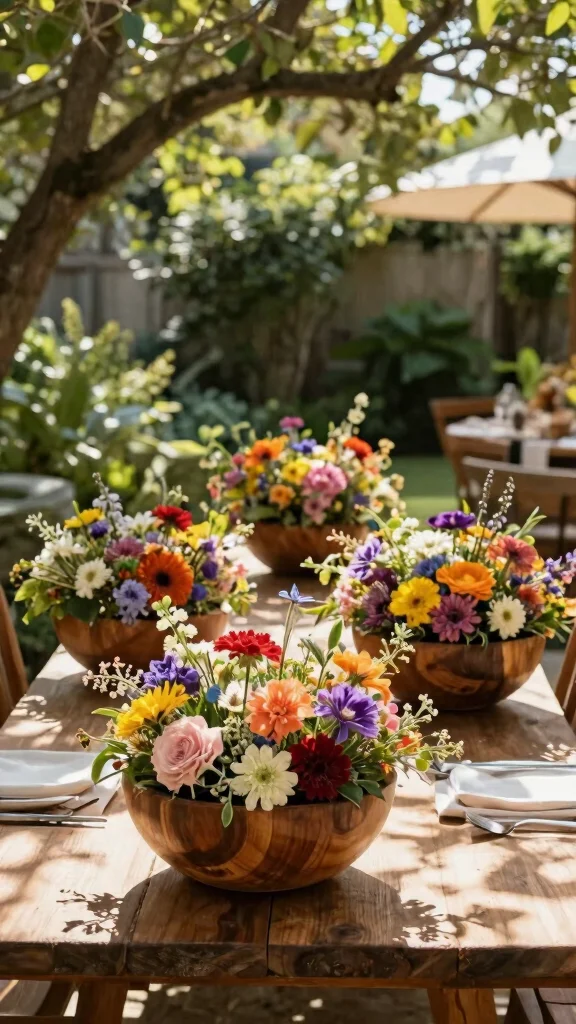
For a whimsical flair, consider turning large wooden bowls into flower pots! These charming containers can enhance your outdoor arrangements and are perfect for smaller plants or vibrant succulents. Opt for bowls made of untreated wood to ensure a safe growing environment.
Here are some ideas to incorporate wooden bowls into your garden: group several together for a striking display, fill them with fragrant herbs for a kitchen garden vibe, or use them as stunning centerpieces on outdoor tables filled with seasonal blooms.
Creative uses for wooden bowls:
– Group bowls for an eye-catching effect.
– Fill with herbs for a kitchen garden.
– Use as centerpieces with seasonal flowers.
Wooden bowls bring a modern yet rustic charm that easily complements various gardening styles.
How To Choose Wooden Flower Pots
Choosing the right wooden flower pots can bring a rustic warmth to your garden while supporting eco-friendly practices. With so many options available, it’s important to consider a few key factors to ensure you pick the best planters for your needs. Let’s break down essential selection criteria to help you make an informed decision!
1. Size
Choosing the right size is crucial for your plants’ health. Consider the type of flowers you want to grow. For larger plants, opt for bigger pots that allow room for roots to spread. Smaller pots are ideal for herbs or flowers with shallow roots. A good rule of thumb is to select a pot that is at least 1–2 inches larger in diameter than the current size of the plant’s root ball.
2. Material
Wooden flower pots come in various materials, like reclaimed wood, cedar, or pine. Reclaimed wood is an excellent eco-friendly option, as it reduces waste. Cedar is naturally resistant to rot, making it durable for outdoor use. Pine pots might not last as long but can be treated with sealants to extend their life. Always check the wood type to ensure it fits your aesthetic and practical needs.
3. Drainage
Proper drainage is essential to prevent overwatering and root rot. Look for pots that have drainage holes at the bottom. If you have a pot without holes, you can create them easily with a drill, or layer the bottom with gravel to help with drainage. Remember, good drainage helps the roots breathe and keeps your flowers healthy.
4. Style
Wooden flower pots can complement your garden’s theme. Whether you prefer rustic charm or modern minimalism, there’s a style for you. Consider decorative elements like carvings or finishes. Rustic wooden barrels or crates add an old-world feel, while sleek wooden planters can enhance a contemporary landscape. Choose a style that speaks to your personal taste and enhances your outdoor flower arrangements.
5. Budget
Setting a budget will help narrow down your options. Wooden pots can vary widely in price based on size, material, and craftsmanship. While it might be tempting to go for cheaper options, investing in higher-quality wood can save you money in the long run. Check local stores and online retailers for sales or handmade options to get the best deal.
6. Weather Resistance
Consider the climate where you live. If you experience harsh weather, look for treated or naturally weather-resistant woods. Some woods, like cedar, withstand moisture better than others. You might also want to use a protective finish to extend the life of your wooden pots, especially in extreme conditions.
Pro Tip: Always measure your garden space before making a purchase. This ensures that the pots you select will fit perfectly without crowding your plants. Take note of the sunlight exposure in the area; some plants thrive in full sun, while others prefer shade!
By considering these factors, you’ll find the perfect wooden flower pots that not only enhance your garden’s beauty but also support your eco-friendly gardening goals. With the right choices, your outdoor spaces will flourish, bringing you joy and a touch of rustic warmth!
6. Wooden Troughs
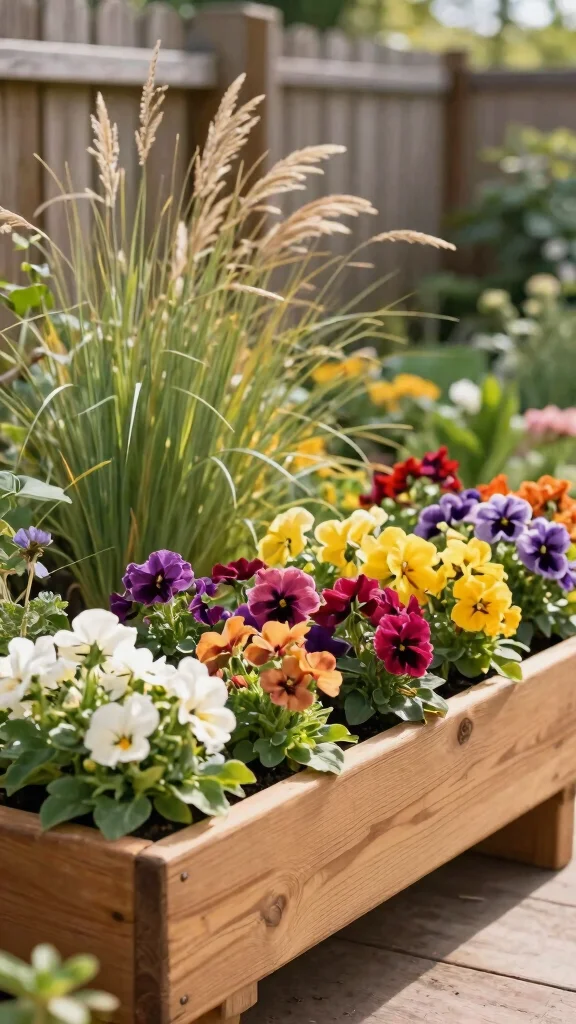
Wooden troughs are an excellent choice for creating elegant, long flower arrangements. Their elongated shape is perfect for mixing different plants and flowers, making them ideal for outdoor centerpieces or window boxes. You can easily build or find wooden troughs that match your personal style.
To maximize their potential, line the bottom with small rocks to aid drainage and choose a mix of flower heights and colors for visual appeal. Don’t hesitate to paint or decorate the trough to coordinate with your garden’s theme.
Tips for using wooden troughs:
– Line the bottom with rocks for drainage.
– Mix flowers of varying heights and colors.
– Decorate to match your garden’s aesthetics.
Wooden troughs invite endless creativity and style into your outdoor space.
7. Rustic Wooden Barrels
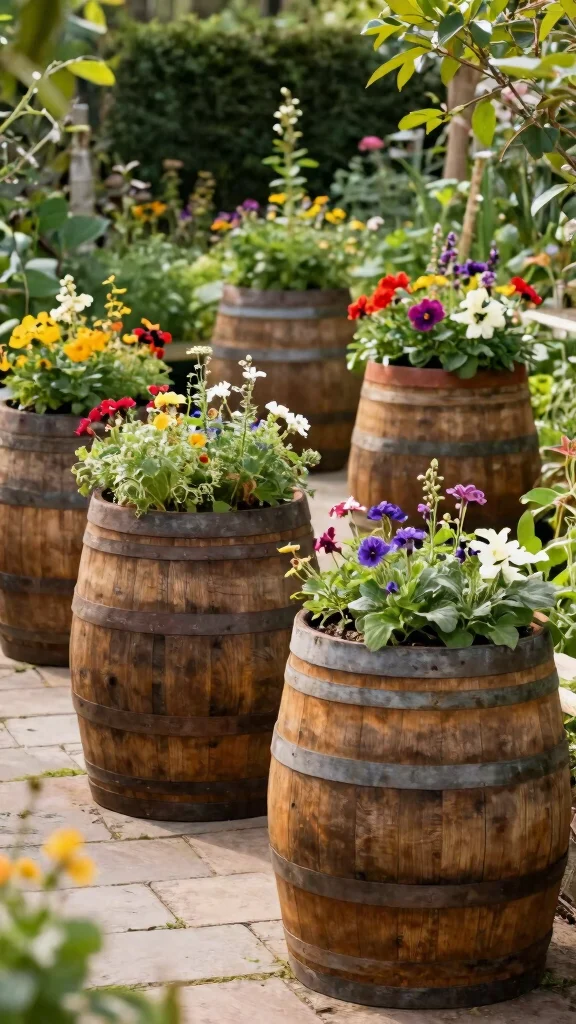
Embrace the rustic charm of wooden barrels as flower pots! These barrels are fantastic for larger plants like sunflowers or even small trees, providing ample space for roots to flourish. Their round shape adds a unique dimension to your garden design.
When using wooden barrels, ensure you drill holes in the bottom for proper drainage. You can also paint or stain the exterior to coordinate with your garden theme, and consider grouping barrels of different sizes for added visual impact.
Considerations for using barrels:
– Drill holes in the bottom for drainage.
– Paint or stain to match your theme.
– Group barrels for a dynamic look.
Using barrels as planters can significantly enhance the rustic appeal of your outdoor area while providing practical benefits.
Fun fact: Drill 1/4-inch to 1/2-inch drainage holes in a wooden barrel; even large plants like sunflowers thrive with proper drainage. Group barrels in 2–3 sizes for instant rhythm and better microclimates. Your wooden flower pots will feel rustic, warm, and surprisingly easy to care for.
8. Wooden Shoe Planters
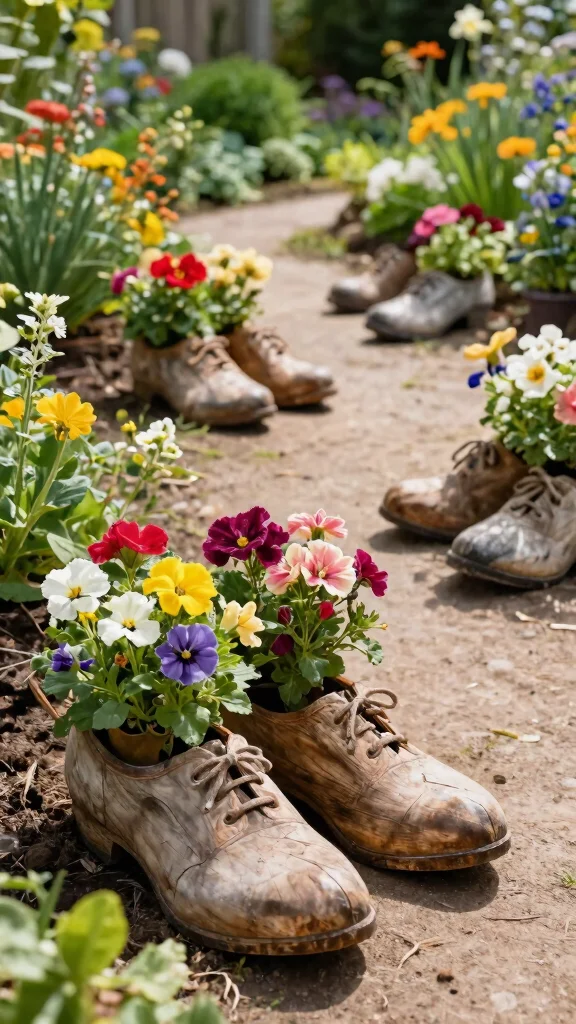
Are you looking for a fun and quirky way to display your flowers? Try using old wooden shoes as planters! They add a whimsical element to your garden or balcony, and their unique designs can contribute character to your space.
To effectively use wooden shoes, start by drilling a few drainage holes in the bottom. Fill them with a lightweight potting mix to ensure they don’t become too heavy. Select small flowers or succulents that fit perfectly within the shoe’s dimensions.
Steps for crafting wooden shoe planters:
– Drill drainage holes for healthy plants.
– Use lightweight potting mix to avoid weight issues.
– Choose small flowers or succulents for fitting.
Wooden shoe planters are a delightful conversation starter and a creative way to repurpose old items.
9. Hanging Wooden Planters
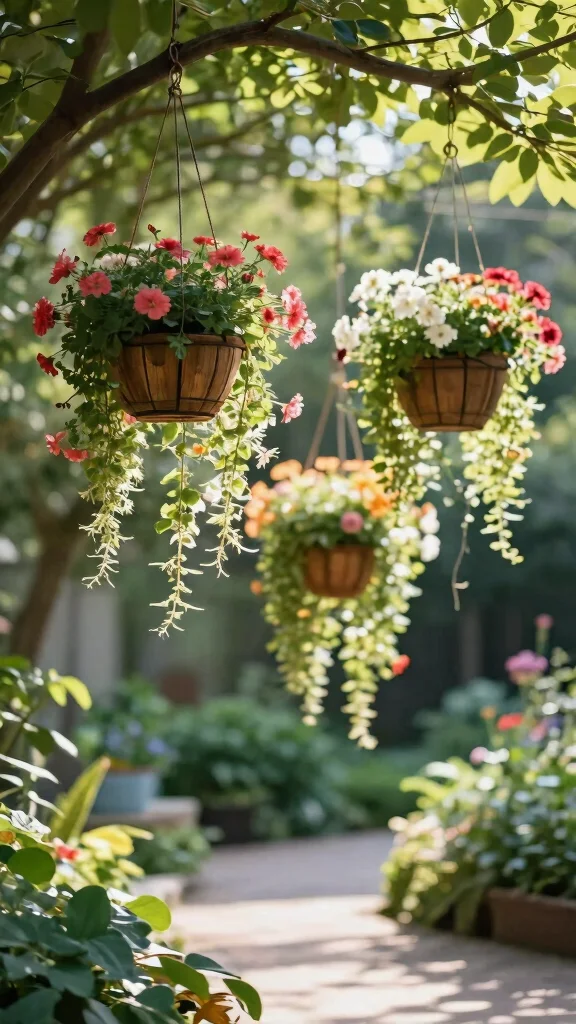
Elevate your garden with hanging wooden planters! These planters not only add visual interest but also save space while showcasing beautiful blooms. Creating your hanging planters is simple with wood slats and some rope or wire.
To get started, ensure they are securely hung to support the weight of the soil and plants. Opt for trailing plants that cascade down for a stunning visual effect, and mix different wood types and stains for a unique appearance.
Tips for creating hanging planters:
– Securely hang to support weight.
– Choose trailing plants for dramatic effect.
– Mix wood types and stains for uniqueness.
Hanging planters not only maximize space but also add a beautiful layer to your garden design.
10. Wooden Planter Boxes
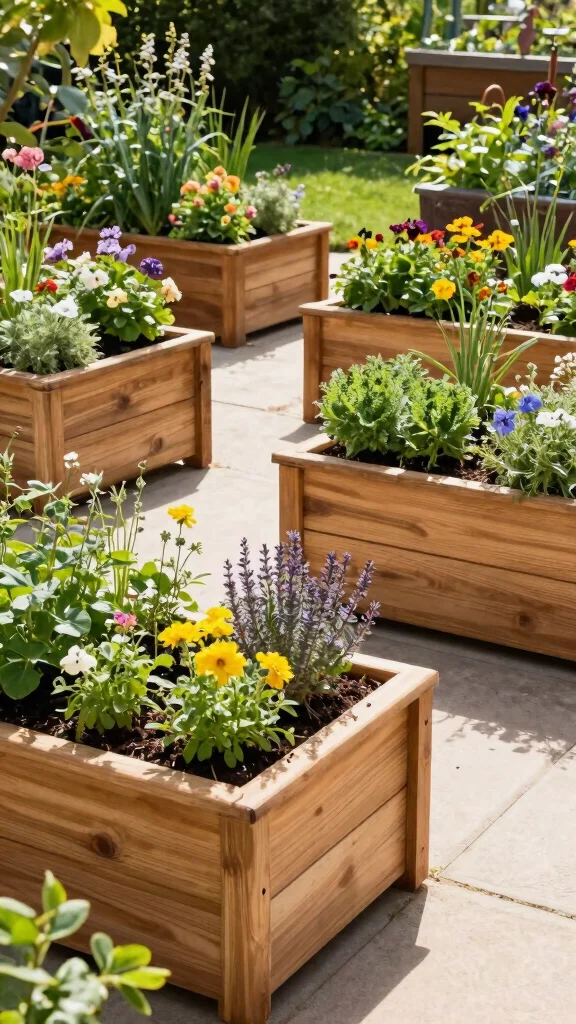
Wooden planter boxes offer versatility and are ideal for creating a tidy garden space. They can be customized to any size and are suitable for everything from vibrant flowers to fresh vegetables. These boxes are particularly effective for raised bed gardening, promoting easier access and improved drainage.
When building or selecting wooden planter boxes, choose rot-resistant wood to ensure longevity. It’s also a good idea to add a liner to protect the wood and retain soil. Using different box sizes can create visual interest in your garden layout.
Essentials for wooden planter boxes:
– Select rot-resistant wood for durability.
– Add a liner to protect and retain soil.
– Use various sizes for visual appeal.
Wooden planter boxes are practical, eco-friendly, and enhance the aesthetic of your outdoor oasis.
11. Wooden Birdhouse Planters
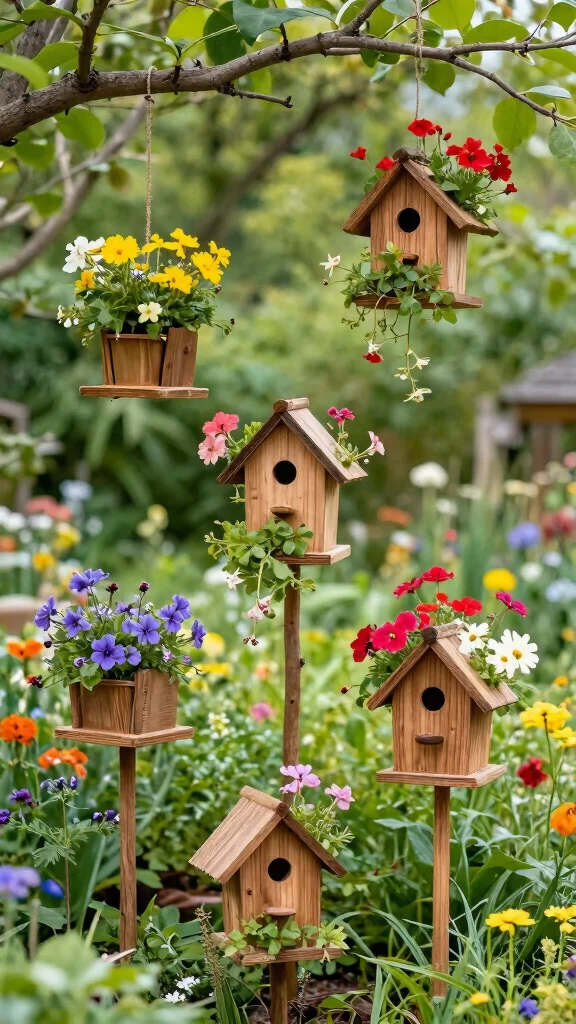
Combine functionality and aesthetics by using wooden birdhouses as flower pots! These charming planters can attract birds while adding beauty to your garden. Position them on garden stakes or hang them from trees for an enchanting look.
To effectively use birdhouse planters, ensure they are treated for weather resistance, and fill them with light soil suitable for small flowering plants. Decorate them with natural finishes that harmonize with your garden’s overall look.
Steps for using birdhouse planters:
– Treat for weather resistance.
– Fill with light soil and small plants.
– Decorate to match your garden’s style.
Wooden birdhouse planters create delightful charm and encourage a thriving natural environment in your garden.
Turn wooden birdhouses into stylish, eco-friendly wooden flower pots—practical and pretty. Hang them from trees or stake them in the garden to invite birds and blossoms alike. Treat for weather resistance, choose light soil, and finish with natural finishes for lasting charm.
Conclusion
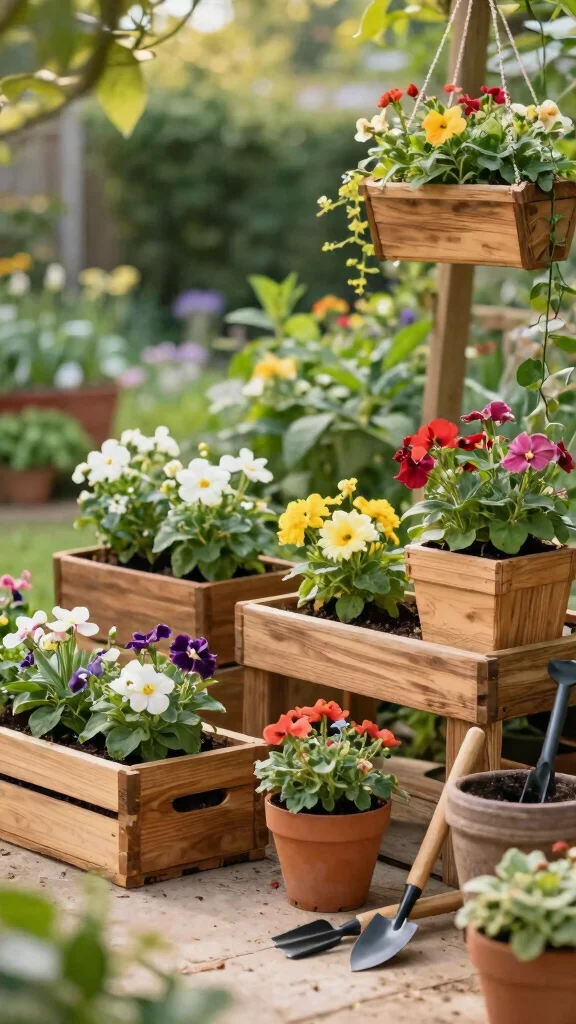
From reclaimed crates to whimsical birdhouse planters, wooden flower pots bring rustic warmth and eco-friendly flair to any garden.
These creative ideas not only help you reduce waste but also allow you to express your personal style while caring for the environment.
So why not get crafty and start designing your own unique wooden planters to transform your garden into a magical space?
Note: We aim to provide accurate product links, but some may occasionally expire or become unavailable. If this happens, please search directly on Amazon for the product or a suitable alternative.
This post contains Amazon affiliate links, meaning we may earn a small commission if you purchase through our links, at no extra cost to you.
Frequently Asked Questions
Which wood types are best for upcycled wooden flower pots used outdoors?
For outdoors, choose rot-resistant woods like cedar, redwood, cypress, or reclaimed timber that’s already seasoned. These woods are ideal for wooden flower pots and fit rustic gardening decor style.
Prep by cleaning, sanding, and sealing with a non-toxic, water-based sealant to protect against moisture. Line each pot with a thin plastic liner to keep soil from directly touching the wood, then add a drainage layer at the bottom. Use a gravel layer or small stones to improve drainage and reduce rot. If you want long life, build with natural wood containers in mind and consider elevating pots on feet or bricks to prevent ground dampness. Seasonal rotation and moving pots to sheltered spots in extreme weather helps longevity.
How can I create rustic charm with DIY wooden planters?
Turn reclaimed boards into charming DIY wooden planters that scream rustic warmth. First choose sturdy boards and cut to your desired size. Assemble with weatherproof screws, then distress the edges with sandpaper or a wire brush to achieve a lived-in look. Finish with a non-toxic stain or whitewash to enhance grain and protection, then seal. Line the interior with a plant-safe liner to hold soil and ensure drainage. For extra flair, add metal corner brackets or rope handles to nod to rustic gardening decor. Group several DIY wooden planters for dynamic outdoor flower arrangements and an eco-friendly touch. Pro tip: always keep drainage holes clear and elevate pots on legs to prevent rot.
How can I ensure drainage and longevity for wooden pots outdoors?
Plan for drainage and wood protection. Drill several drainage holes, or one larger hole with a screen, to keep soil from clogging. Line the interior with a thick plant-safe liner to protect the wood, then add a cap of gravel or coarse sand for drainage. Elevate pots on small feet, bricks, or commercial pot feet to promote air flow and reduce damp rot. Use a non-toxic, water-based sealant or oil suitable for exterior wood, reapplying every couple of years. If frost is a risk, move or wrap pots during winter. With proper drainage and protection, your wooden flower pots can thrive as part of eco-friendly garden ideas and natural wood containers.
What are some eco-friendly garden ideas using wooden pots?
Wooden pots are a great way to support an eco-friendly garden. Start with reclaimed or sustainably sourced lumber and avoid chemically treated wood for planting. Create vertical or stacked planters to maximize space and craft outdoor flower arrangements that are both beautiful and planet-friendly. Mix native perennials and drought-tolerant annuals to save water, mulch well, and feed with compost tea. Add simple self-watering inserts to reduce irrigation. This approach aligns with eco-friendly garden ideas and highlights the charm of natural wood containers.
How should I arrange flowers in wooden pots for a rustic impact?
For a rustic, eye-catching display, start with a warm color palette that complements the wood grain. Use taller plants in the back or center, medium-height blooms around them, and trailing varieties at the edges for softness. Mix textures—velvety petals with silvery foliage—and consider evergreen fillers for year-round structure. Group several wooden flower pots at varying heights to create depth and a cozy vignette that suits rustic gardening decor. Ensure good drainage, regular deadheading, and rotate seasonal plantings to keep your outdoor flower arrangements fresh all season.
Related Topics
wooden flower pots
rustic gardening decor
DIY wooden planters
eco-friendly gardening
outdoor flower arrangements
natural wood containers
upcycled planters
sustainable decor
garden crafts
beginner gardening
seasonal blooms
easy gardening projects