
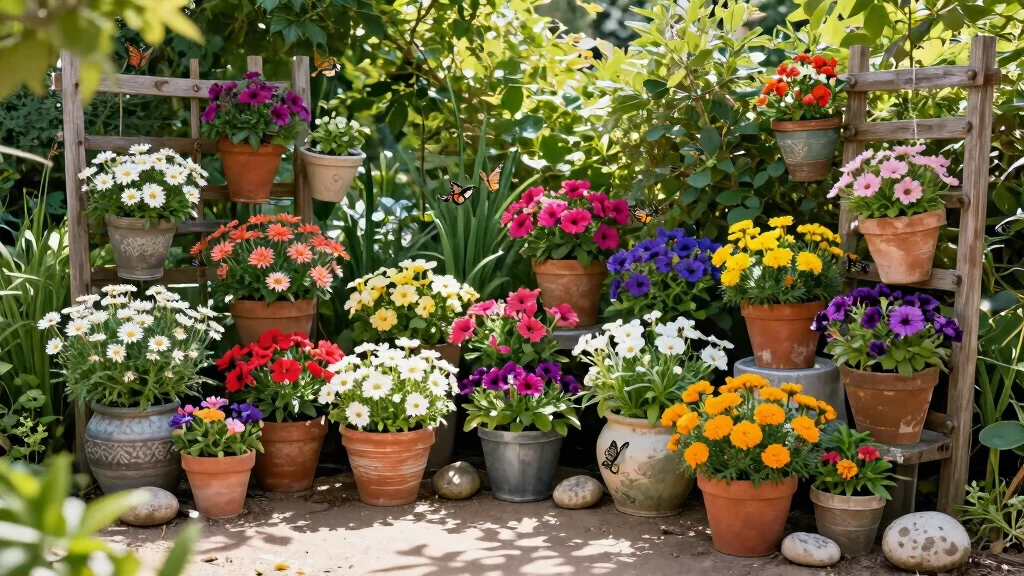
Creating a stunning flower bed can transform any garden into a vibrant oasis. This post is inspired by a growing interest in using pots in flower beds landscaping as an easy and stylish way to enhance your outdoor space. Combining pots with traditional flower beds not only adds texture and height but also allows for creative arrangements that reflect your personality. If you’ve ever felt overwhelmed by the options or unsure of how to elevate your garden’s aesthetic, you’re in the right place!
Whether you’re a seasoned gardener or just starting, this guide is tailored for anyone eager to beautify their outdoor space. If you love bright blooms, unique designs, or simply want to maximize your garden’s potential, these ideas are for you. You’ll discover practical tips and inspiration to incorporate container gardening into your flower bed design, making your garden flourish with seasonal blooms throughout the year.
In this post, you’ll find twelve innovative ideas that will help you rethink how to use pots in your landscaping. From creating layered heights for visual interest to setting up pet-friendly plant choices, you’ll gain insights that are practical, creative, and easy to implement. Each idea comes with actionable tips, ensuring that you can take steps towards a more beautiful and vibrant garden today.
Key Takeaways
– Layered Heights for Visual Interest: Use pots of different sizes to create depth in your flower beds, drawing the eye upward and adding dimension.
– Vertical Garden Charm: Incorporate vertical elements by stacking pots or using hanging designs, perfect for small spaces and maximizing your planting area.
– Grouping for Impact: Arrange pots in groups for a more cohesive look. This strategy creates a focal point that enhances garden aesthetics.
– Seasonal Blooms for Year-Round Color: Select plants that bloom in different seasons to keep your flower beds lively and colorful throughout the year.
– Unconventional Pot Materials: Get creative with pot materials like wood, metal, or even repurposed items. Unique textures can add character to your garden design.
1. Layered Heights for Visual Interest
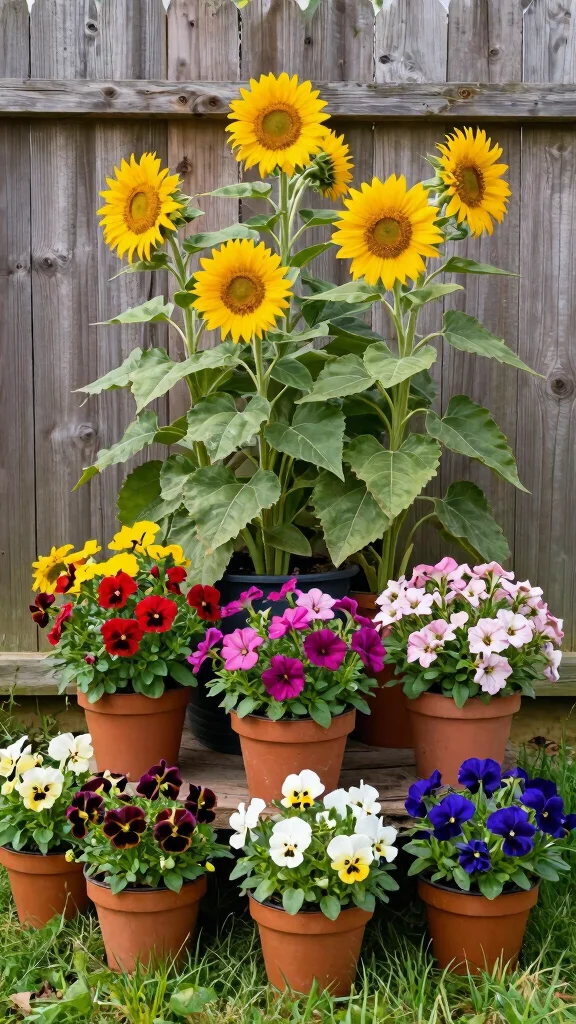
Looking to add a little magic to your garden? Creating flower beds with pots at different heights can transform your space into a captivating display. Imagine tall pots filled with sunflowers, medium pots bursting with colorful petunias, and small pots showcasing delicate pansies. This staggered arrangement not only enhances visual appeal but also ensures every plant basks in sunlight for optimal growth.
Begin by assessing your garden layout and deciding where to place your pots for maximum effect. Mixing pot sizes allows for creativity, and you can even use plant stands for added height. This layered design invites exploration and provides a dynamic backdrop for your outdoor area.
Key benefits of this approach:
– Create depth with varying pot heights
– Enhance light exposure for all plants
– Choose pots in similar colors for a cohesive look
This design elevates your garden from ordinary to extraordinary, ensuring it remains a source of joy all year round.
2. Vertical Garden Charm
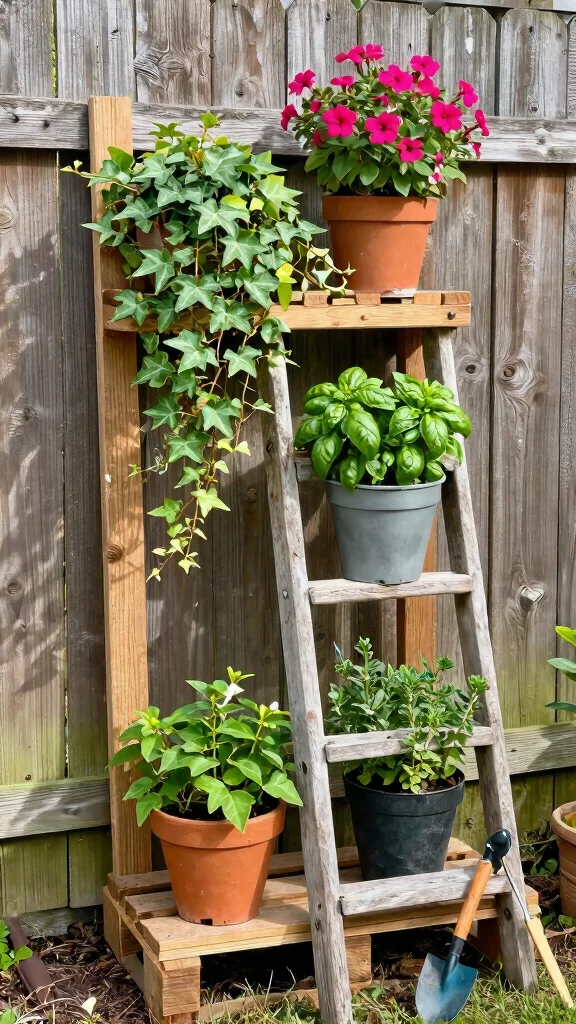
Have limited space but want to make a big impact? Vertical gardening with pots can transform any wall or fence into a lush, green retreat. Utilize wooden pallets, trellises, or even old ladders to hang pots filled with trailing plants like ivy and fuchsia. This method maximizes your garden space while adding a unique visual appeal that draws the eye upward.
Start by selecting a sturdy structure and ensuring your pots have adequate drainage. Mixing herbs with flowers not only looks beautiful but also serves a practical purpose. Bright colors can liven up dull walls, creating a stunning and inviting atmosphere.
Essential tips for vertical gardening:
– Hang pots securely to prevent accidents
– Combine edible herbs with ornamental flowers
– Use vibrant colors to energize your space
Vertical gardening is a clever way to inject personality into your outdoor area, making it feel alive and inviting.
3. Grouping for Impact
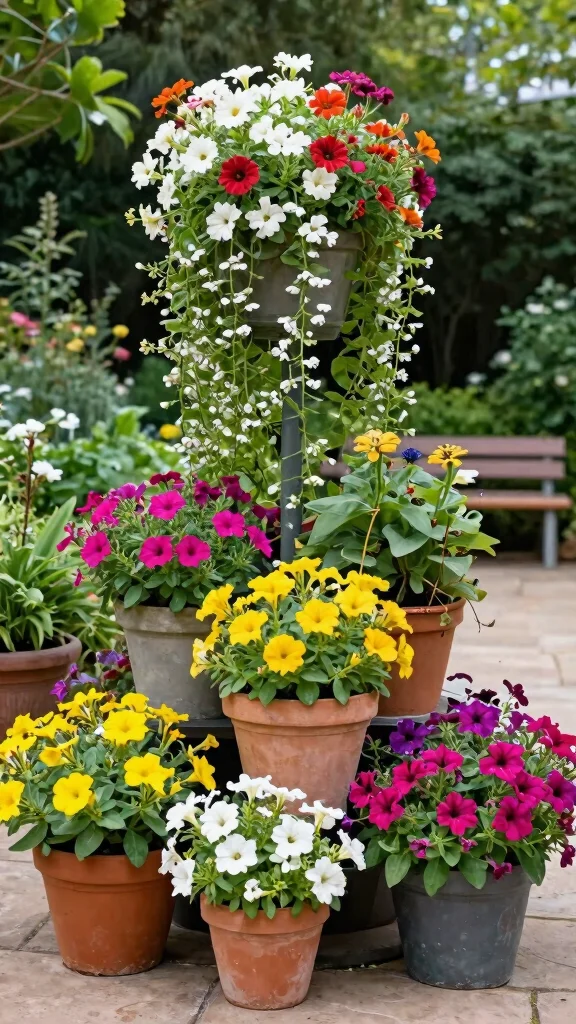
Want to create a centerpiece that captures attention? Grouping pots together creates a striking focal point in any flower bed. Instead of spreading pots apart, cluster them closely for a bold and vibrant statement. This technique allows you to mix and match colors and textures, resulting in an eye-catching arrangement that draws the viewer in.
Pair a tall pot with trailing plants next to shorter pots filled with compact blooms for a balanced look. This method is especially effective for showcasing seasonal flowers, ensuring your garden remains lively and colorful.
Effective grouping strategies:
– Mix different pot shapes and sizes for interest
– Match plants with similar sunlight and water needs
– Elevate a few pots for added dimension
When done correctly, grouping pots can become the highlight of your landscaping, creating a tranquil space perfect for relaxation.
4. Seasonal Blooms for Year-Round Color
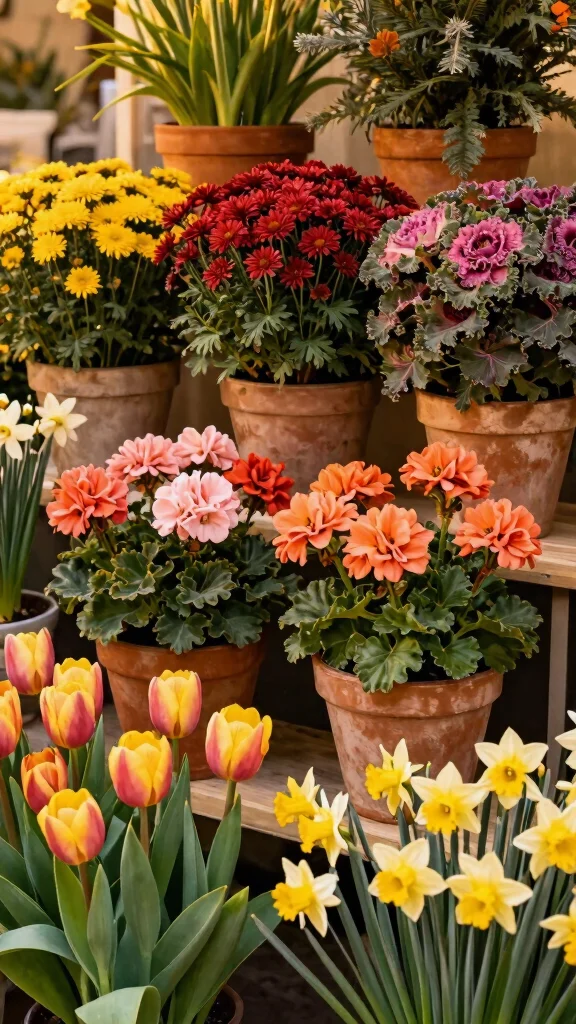
Craving a garden that’s vibrant all year round? Incorporating seasonal flowers into your pots guarantees colorful flower beds throughout every season. By selecting a mix of perennials and annuals, you can enjoy consistent beauty in your garden. For spring, consider bright tulips and daffodils, while summer brings geraniums and marigolds to life.
As fall approaches, think of adding cheerful mums and ornamental kale, followed by evergreen plants in winter to keep your pots looking lively. Planning bloom times ensures your garden remains consistently beautiful and engaging.
Key seasonal strategies:
– Map out bloom times for continuity
– Apply mulch to retain moisture and enrich soil
– Group plants with similar water and light requirements
This thoughtful planning not only enhances your garden’s beauty but also allows you to celebrate the changing seasons in style.
5. Unconventional Pot Materials
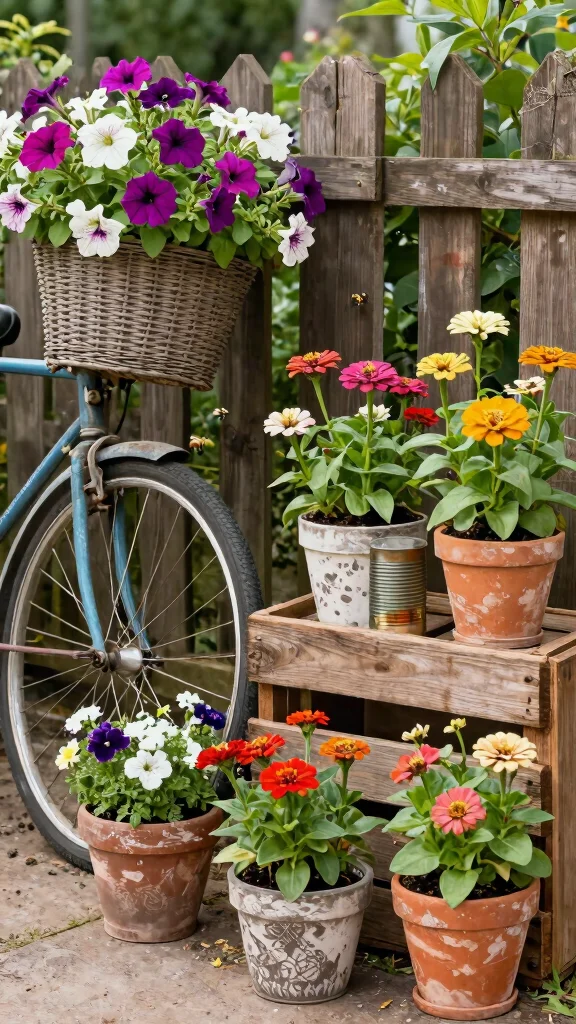
Ready to break away from traditional pots? Choosing unconventional materials can add character and charm to your flower beds! Think outside the box with options like wooden crates, vintage cans, or even old bicycle baskets. These unique containers not only serve as eye-catching features but also contribute to an eclectic garden theme.
Ensure that each material has proper drainage to keep your plants healthy and thriving. You can create a cohesive look by painting or staining items in similar colors, or mix and match for a whimsical effect.
Tips for using unconventional materials:
– Clean and prepare reused items for safety
– Paint containers to create a unified theme
– Experiment with diverse materials for visual fun
This creative approach not only saves money but also tells a story, making your garden a reflection of your personality.
Fun fact: unconventional pots in flower beds landscaping can cut costs by 40% when you repurpose wooden crates or vintage cans. Make sure each container has drainage and a cohesive paint finish to keep plants thriving and your garden looking unique.
6. Color Coordination Magic
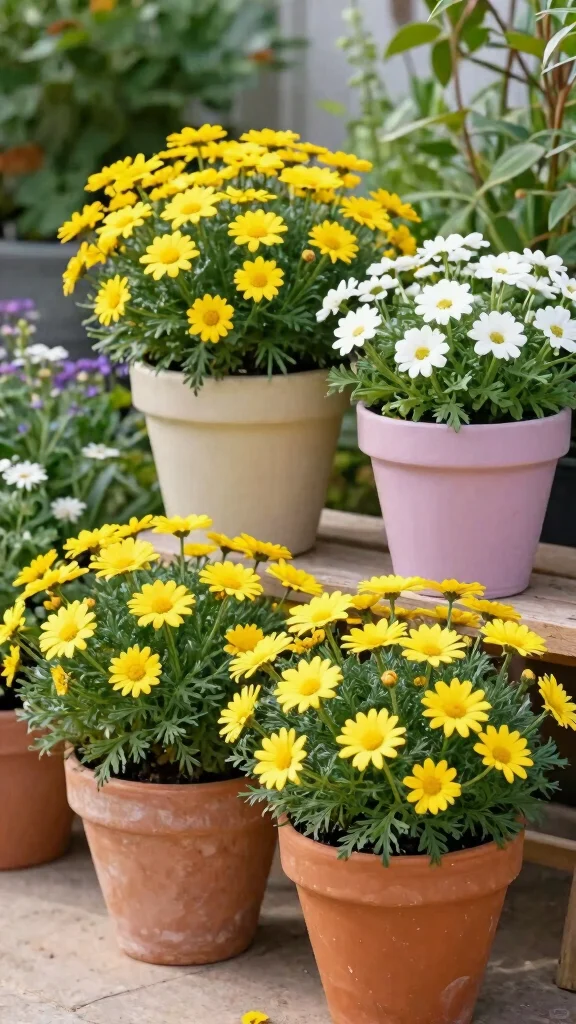
Want to create a harmonious garden? Using a cohesive color palette for your pots can elevate the elegance of your flower beds. Choose pots that either match or contrast beautifully with your flowers to enhance their natural beauty. Pairing terracotta pots with bright yellow daisies creates a stunning visual impact, while soft pastels complement delicate white blooms.
Consider how your pot colors fit into the surrounding environment, and don’t forget to balance vibrant hues with neutrals like whites and grays. This careful planning can influence moods, creating a peaceful or lively atmosphere as desired.
Color coordination tips:
– Use a color wheel to identify complementary shades
– Assess the overall environment when selecting colors
– Incorporate neutrals for balance
This thoughtful approach enhances your garden’s aesthetics and creates a delightful setting for relaxation.
7. Edible Flower Beds
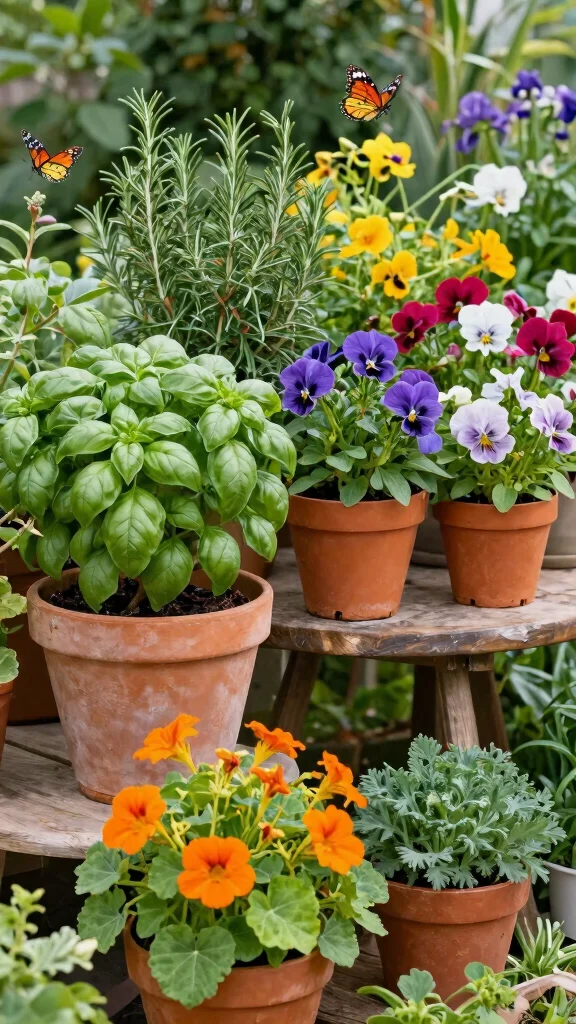
Are you looking to combine beauty with practicality? Incorporating edible plants into your flower beds offers both visual appeal and utility! Using pots to grow herbs, edible flowers, or even vegetables like cherry tomatoes adds variety and creates a fragrant atmosphere. For instance, nasturtium flowers are not only vibrant but also entirely edible, making them a fun addition.
Start with fragrant herbs like basil, mint, and rosemary to complement your blooms. Ensure that all edible plants have the right soil and sunlight conditions for thriving growth.
Suggestions for edible pot gardens:
– Incorporate colorful edible flowers to attract pollinators
– Use fragrant herbs for culinary delights
– Maintain proper growing conditions for all plants
This concept supports sustainable gardening while adding beauty and delicious possibilities to your outdoor space!
How To Choose Pots for Flower Beds Landscaping
When it comes to enhancing your flower beds with pots, choosing the right ones is key. The right pot will elevate your landscaping and add character to your garden. Here’s how you can make the best selection for your flower bed design.
1. Size Matters
Choosing the right size pot is crucial for both aesthetics and plant health. Larger pots allow for more soil and better root development, while smaller pots are suitable for delicate plants. A good rule of thumb is to select pots that are at least 12 inches in diameter for annuals and larger perennials. Keep in mind how much space you have in your flower bed; too many large pots can overwhelm the space.
2. Material Selection
Pots come in a variety of materials, such as ceramic, plastic, and metal. Each material has its pros and cons. Ceramic pots can be heavy and breakable but offer a classic look. Plastic pots are lightweight and easy to move but may not retain moisture as well. Metal pots can rust over time, so consider using them in areas that don’t face heavy moisture. Choose a material that fits your garden aesthetics and climate.
3. Drainage Features
Good drainage is essential for healthy plants. Always select pots that have drainage holes to prevent water from pooling at the bottom, which can lead to root rot. If you find a beautiful pot without holes, consider using it as a decorative outer pot and placing a smaller potted plant inside. You can also add pebbles at the bottom to improve drainage.
4. Color Coordination
The colors of your pots can significantly impact your flower bed design. Consider the color of your flowers and the overall theme of your garden. Neutral-colored pots like terracotta or white can complement vibrant blooms. If you want to create a striking effect, use brightly colored pots that match or contrast with your flowers. Ensure your color choices enhance your garden’s visual appeal.
5. Purpose and Plant Selection
Think about what type of plants you want to grow in your pots. Are you aiming for seasonal blooms or edible arrangements? Certain plants thrive better in pots due to their root structure and care requirements. For example, herbs like basil and thyme do well in pots, while larger flowers may require bigger containers. Match your pot size and type with the plants you plan to nurture.
6. Budget Considerations
Lastly, consider your budget. Pots range from inexpensive plastic options to high-end ceramic designs. While you don’t need to break the bank, investing in quality pots can yield better results over time. Look for sales or discounts at local garden centers, and consider purchasing in bulk for better deals. Your budget will help you narrow your choices and find pots that meet both your style and financial needs.
Pro Tip: When shopping for pots, bring a photo or swatch of your garden’s color scheme. This way, you can better visualize how the pots will fit into your overall design. Also, don’t hesitate to mix and match pot styles for a unique look that reflects your personality.
Choosing the right pots for your flower beds can transform your garden into a stunning visual masterpiece. By considering size, material, drainage, color, purpose, and budget, you can create a beautiful space filled with flourishing plants and vibrant colors. Happy gardening!
8. Symmetrical Pot Arrangements
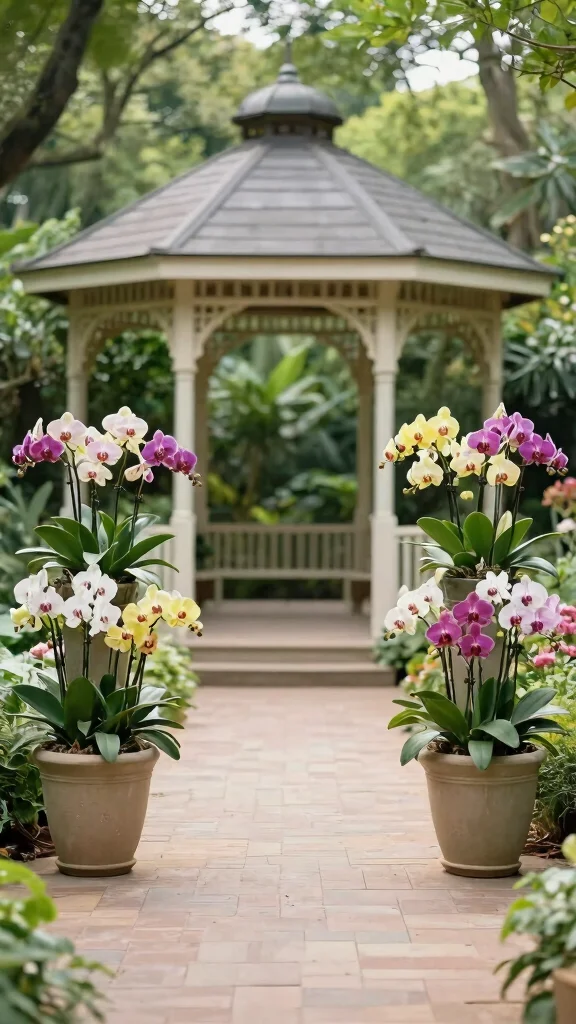
Seeking a classic and elegant look? Try symmetrical arrangements of pots in your flower beds to create a visually pleasing balance. Arranging pots in pairs on either side of a walkway or at your garden’s entrance provides structure and organization. This method enhances traditional garden styles, making your space feel more inviting and structured.
Use identical pots on both sides for a cohesive appearance and experiment with varying heights of the same plant species to maintain interest. Keeping pathways clear lets you move easily through your garden while appreciating its beauty.
Symmetry tips:
– Choose the same pot types for a unified look
– Vary plant heights for added interest
– Keep pathways or spaces clear for easy access
This arrangement transforms your garden into a sophisticated outdoor room, perfect for enjoying fresh air and tranquility.
9. Pot Designs with Textures
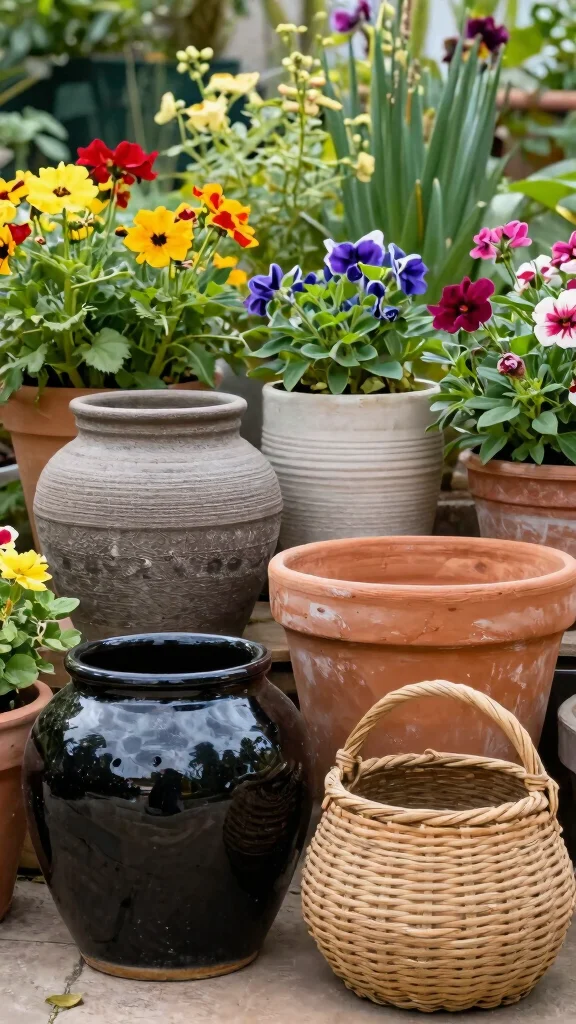
Looking to add depth to your garden? Mixing pots with various textures can create a stunning visual experience in your flower beds! Consider placing a glossy black pot next to a rustic clay one or a delicate ceramic pot beside a chunky stone container. This variety enhances the beauty of your flowers and gives your garden a rich, layered feel.
Use different materials to create contrast and interest, arranging pots in groups to emphasize textural differences. Keeping plant types somewhat uniform highlights the unique textures of your pots.
Textural mixing tips:
– Incorporate various materials for a dynamic look
– Group pots to showcase textures
– Maintain plant uniformity to enhance pot designs
This technique ensures that your garden is engaging and inviting, encouraging visitors to explore its beauty up close.
Texture is everything when arranging pots in flower beds landscaping. Try pairing glossy black with rustic clay, or ceramic with chunky stone, and watch color and depth bloom; your garden becomes a living texture map you can customize every week.
10. Water Feature and Pots Combo
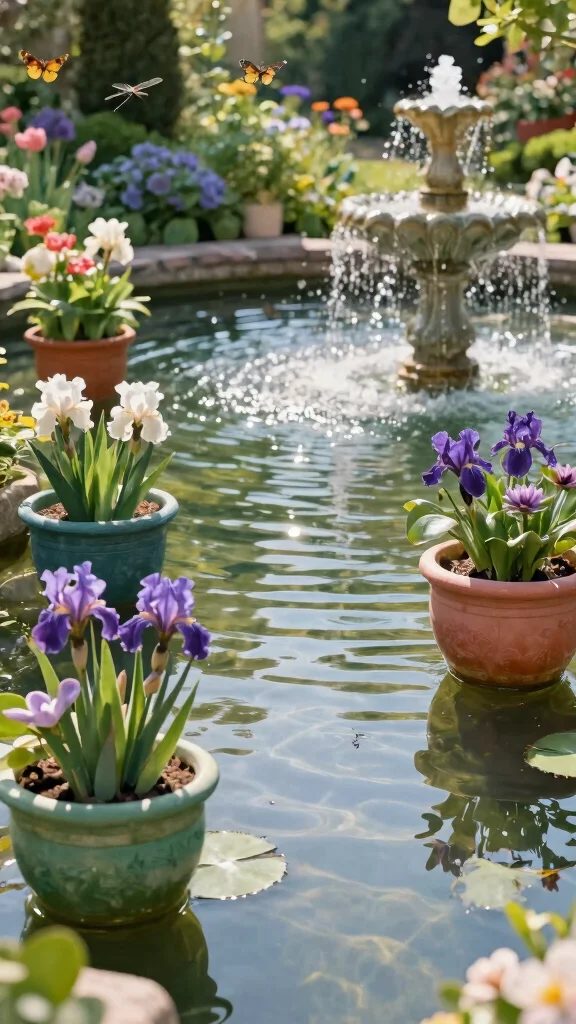
Want to create a serene oasis in your garden? Integrating pots around a water feature can enhance the beauty and tranquility of your outdoor space. The soothing sound of flowing water, combined with colorful blooms, creates an inviting retreat.
Position pots around a pond or fountain, allowing flowers to reflect the water’s beauty and movement. This arrangement not only beautifies your garden but also attracts wildlife like birds and butterflies, enriching your outdoor experience.
Key design suggestions:
– Choose moisture-loving plants near water features
– Secure pots to prevent tipping into the water
– Select flowers that mirror the theme of your water feature
This combination fosters a peaceful environment that nurtures relaxation and reflection, creating a delightful escape in your garden.
11. Themed Pot Gardens
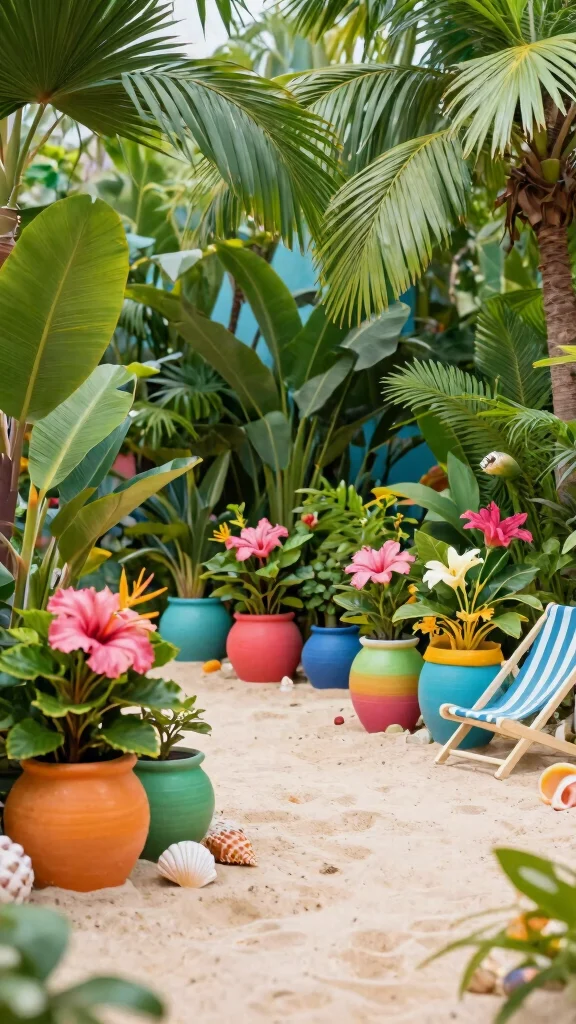
Ready to add some flair to your garden? Creating themed pot displays can bring excitement and creativity to your outdoor space! Whether you envision a tropical paradise or a charming rustic garden, a theme can guide your choices for pots and flowers.
For a beach theme, consider pale blue pots filled with seaside plants, while a vintage theme might showcase pastel pots alongside fragrant blooms like sweet peas. This personalized touch reflects your style and brings joy to your gardening experience.
Fun theme ideas:
– Tropical: Bright colors and exotic plants
– Rustic: Wooden or metal pots with wildflowers
– Minimalist: Monochrome pots with elegant flowers
This creative approach not only showcases your personality but also inspires happiness every time you step into your garden.
Fun fact: A themed pot garden can transform a dull corner in under an hour, just 3 coordinating pots and one clear theme like beachy or vintage. With a few seaside plants or pastel blooms, your pots in flower beds landscaping instantly feel intentional.
12. Pet-Friendly Plant Choices
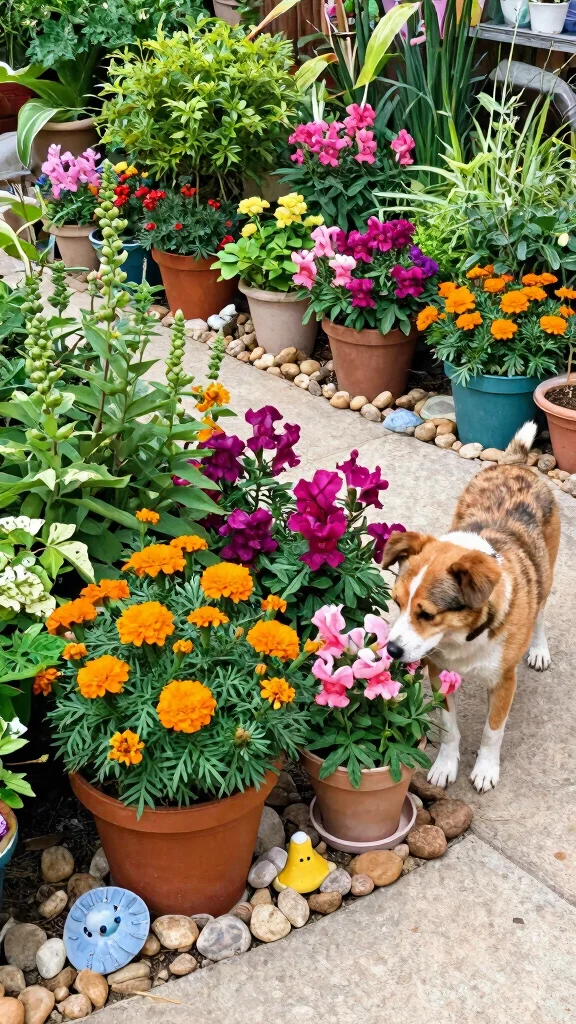
Are your furry friends part of your family? Ensuring your flower beds are safe for pets is essential. Opt for non-toxic plants and sturdy pots that won’t harm your beloved animals!
Great options for pet-friendly flowers include marigolds, snapdragons, and rosemary. Make sure your pots are stable to withstand playful paws, allowing your pets to explore without worry.
Important pet-safe tips:
– Research plant toxicity before planting
– Keep plants out of reach of curious pets
– Use decorative stones or barriers around pots for safety
By creating a pet-friendly garden, you ensure the safety of your furry companions while enjoying the beauty of nature together.
Conclusion
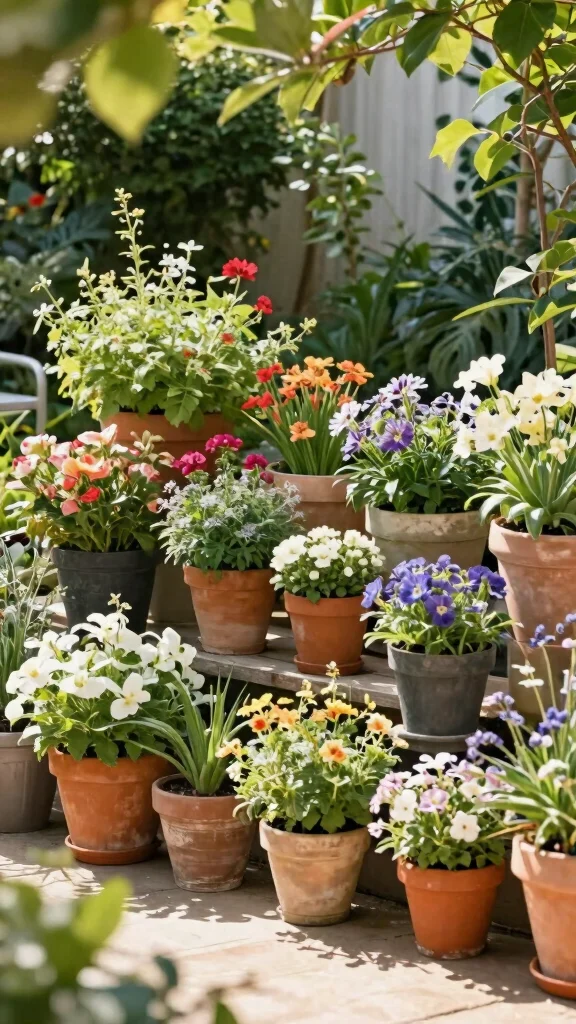
With these 12 creative ideas for pots in flower beds, you’re equipped to transform your gardening space into a visual masterpiece.
Experimenting with heights, colors, and textures can breathe new life into your outdoor areas. Embrace the beauty of seasonal blooms and the charm of unique pot designs, all while keeping your personal style at the forefront. Let your creativity flourish as you craft a garden that’s not just beautiful but also reflects who you are!
Note: We aim to provide accurate product links, but some may occasionally expire or become unavailable. If this happens, please search directly on Amazon for the product or a suitable alternative.
This post contains Amazon affiliate links, meaning we may earn a small commission if you purchase through our links, at no extra cost to you.
Frequently Asked Questions
How can I create vertical interest with pots in flower beds landscaping without crowding the bed?
Create vertical interest by layering pots of different heights: place tall pots at the back or along the border and use smaller pots in front for depth. Add hanging baskets or wall-mounted planters to pull height without spreading across the bed. Choose container gardening options with compact or trailing varieties like verbena, calibrachoa, or creeping thyme for texture. Repeat a couple of color accents for a cohesive flower bed design. Make sure every pot has drainage and sun/shade matches each plant’s needs, so water doesn’t pool and plants stay healthy. Keep pathways clear for access and maintenance, and swap in seasonal blooms to refresh the pots in flower beds landscaping year-round.
What sizes and materials work best for pots in flower beds landscaping, and how should I choose?
Size matters: bigger pots are great for perennials or small shrubs, while smaller ones work well for annuals. Use a mix of large, medium, and small pots to create rhythm in the bed. Materials include terracotta for classic look and good drainage (but heavier and dries quickly), ceramic or glazed options for color, and fiberglass or resin for lighter weight and frost resistance. Concrete pots are durable but very heavy. Consider drainage holes and saucers, especially in container gardening setups. For pots in flower beds landscaping, place deeper pots for long-rooted plants and shallower pots for annuals, and think about weight if you need to move them seasonally.
Which plants should I choose for container gardening within a flower bed design to maximize color and texture?
Pair evergreen structure with seasonal blooms for year-round interest. Try sun-loving combos like geraniums, petunias, lavender, and ornamental grasses; for shade, go with hostas, impatiens, and ferns. Mix textures by pairing flowering plants with bold foliage like coleus or dusty miller. Use seasonal blooms to refresh the look each season as part of flower bed design. Group plants with similar water needs to simplify landscaping tips and keep the bed cohesive. For pots in flower beds landscaping, ensure each pot has appropriate sun or shade for the chosen plants.
How should I maintain pots in flower beds landscaping throughout the seasons?
Water consistently: check soil moisture daily in hot weather and water deeply at the base early in the day; consider self-watering pots or drip irrigation. Fertilize every 2-4 weeks with a balanced fertilizer, deadhead to extend blooming, and replace tired plants with fresh seasonal blooms to sustain garden aesthetics. In cooler climates, protect tender plants with frost cloths or move pots indoors; winterize by storing pots or adding mulch. Inspect regularly for pests and diseases to keep the garden aesthetics intact. A rotating schedule helps the pots in flower beds landscaping look vibrant year-round.
What are simple, actionable layout ideas using 12 pots to elevate a flower bed design?
Here are practical layouts you can try with 12 pots: 1) a symmetric row of pots along a path for formal appeal; 2) a vertical focal point using one tall pot surrounded by shorter ones (great for a garden seating area); 3) a soft curve cluster by borders with varying heights for movement; 4) color-block groups by hue to emphasize flower bed design and garden aesthetics; 5) rainbow spectrum from cool to warm tones along the bed to show off seasonal blooms across seasons. Mix pot shapes and textures (urns, troughs, hanging baskets) to add rhythm, and group pots by watering needs to simplify landscaping tips. This approach makes the most of 12 pots in flower beds landscaping.
Related Topics
flower bed design
vertical gardening
container gardening
seasonal blooms
landscaping tips
garden aesthetics
easy gardening
colorful pots
outdoor decor
beginner friendly
potted plants
landscaping ideas