
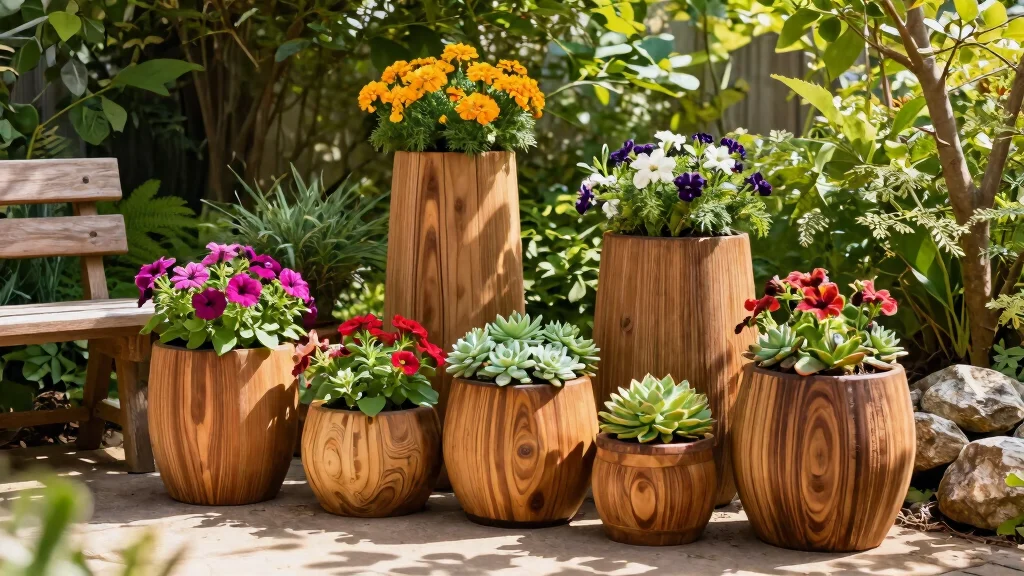
Gardening season always has me dreaming of unique ways to showcase my favorite blooms. I find myself craving a touch of rustic charm in my outdoor spaces. If you’re someone who enjoys the beauty of nature and loves adding personal flair to your garden, this post is for you. I’ve gathered some fantastic ideas for wood flower pots that not only serve as eye-catching decor but also embody a natural texture that makes your plants pop.
In this guide, you’ll discover 11 creative and eco-friendly options for DIY flower containers. Whether you’re looking to spruce up your porch or create a stunning focal point in your backyard, these ideas are designed to inspire. Each suggestion is practical and attainable, providing you with the tools to elevate your outdoor space while embracing sustainability. Get ready to transform your garden into a rustic paradise with these handmade wood planters that are perfect for any gardening enthusiast.
Key Takeaways
– Explore 11 creative wood flower pots ideas that enhance the natural beauty of your garden.
– Learn about various types of planters, including rustic log planters and reclaimed wood planters, that offer eco-friendly solutions.
– Discover how to incorporate hanging wood planters and multi-level wooden planters to maximize your planting space.
– Get practical tips for crafting your own DIY flower containers to add a personal touch to your outdoor decor.
– Understand the benefits of using eco-friendly pots for both your plants and the environment, making sustainable choices that matter.
1. Rustic Log Planters
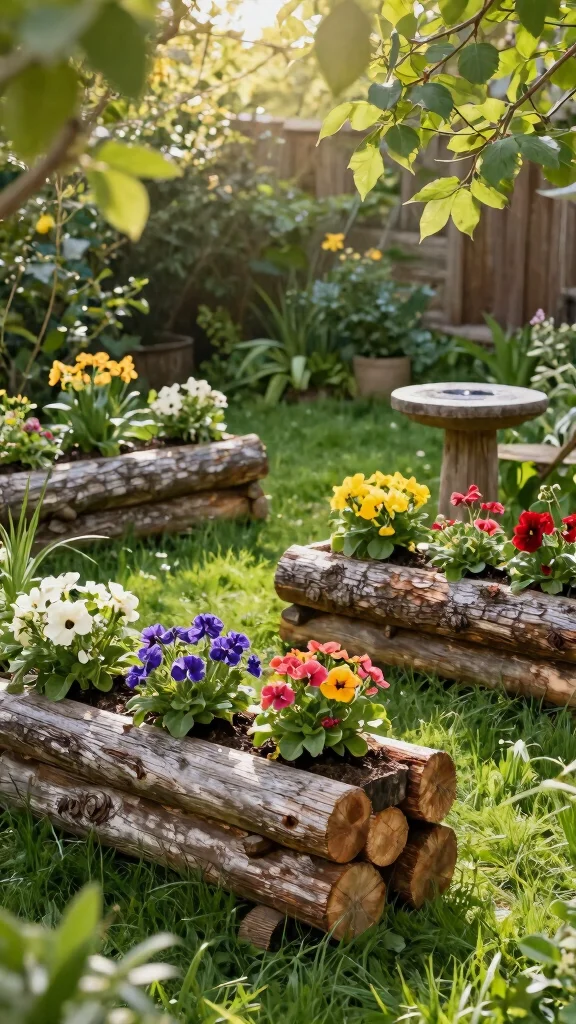
Embrace the beauty of nature with rustic log planters that effortlessly blend into any outdoor setting. The natural bark and raw texture of these planters bring an organic charm, perfect for enhancing a woodland garden aesthetic. Simply cut a log in half and hollow out the center to create a unique planter that showcases its natural beauty.
To make the most of this design, look for logs that are untreated and preferably sourced locally. You can treat them with a natural preservative to extend their lifespan while ensuring they resist moisture and pests. Don’t forget to drill drainage holes to keep your plants thriving.
Consider these ideas to create stunning rustic log planters:
– Pair logs of different sizes for varied heights.
– Incorporate wildflowers for a natural look.
– Use moss or stones around the base for added texture.
This rustic approach not only enhances your outdoor space but also aligns with eco-friendly practices, making it a perfect choice for nature lovers.
2. Reclaimed Wood Planters
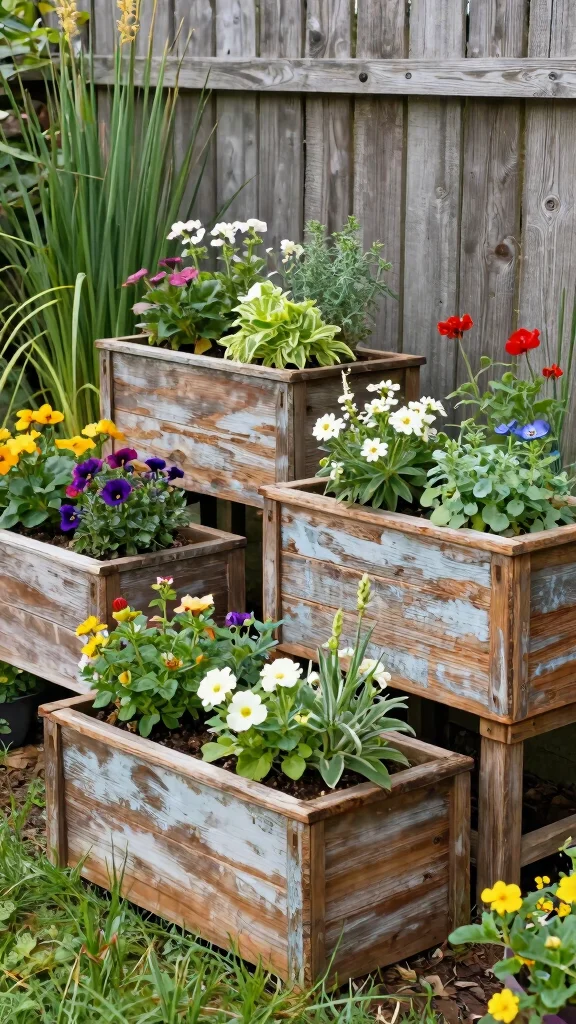
Reclaimed wood planters offer a delightful blend of sustainability and artistry. Utilizing materials like old pallets or discarded furniture, these planters carry a history that adds character to your garden. With a bit of creativity, you can transform this wood into unique planters that reflect your personal style.
Start your project by sourcing reclaimed wood and removing any nails. Sand down rough edges to ensure safety and assemble the wood into your desired planter shape. Lining the inside with landscaping fabric will help retain soil while allowing for drainage.
Here are some practical steps for crafting your reclaimed wood planters:
– Cut wood into desired dimensions for your planters.
– Stain or paint to enhance the wood’s natural beauty.
– Use hooks or brackets to secure them to walls or fences.
This sustainable choice not only benefits the environment but also brings a distinct and charming aesthetic to your gardening space.
Fun fact: Reclaimed wood reduces landfill waste by up to 70% in DIY projects. Turn old pallets into planters and give your garden instant character with a history you can see and feel.
3. Wooden Crate Planters
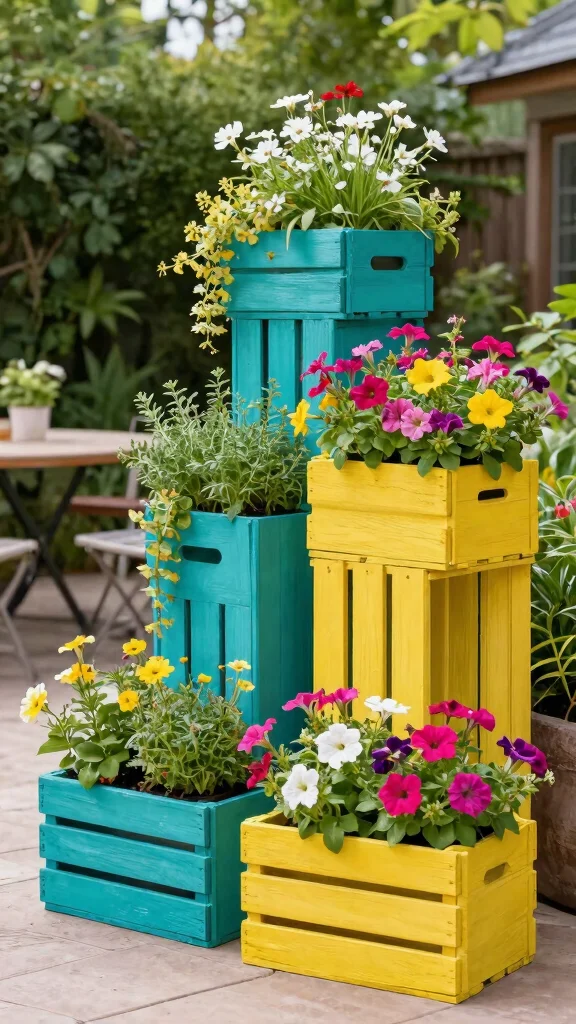
Wooden crates are a versatile option for flower pots, adding a touch of rustic elegance to any setting. Whether on a patio, balcony, or nestled within your garden, these crates can be left in their natural state or painted to match your decor. Their simplicity allows for endless customization, making them ideal for any gardener.
To create your wooden crate planters, you can modify the crates by trimming them to various heights for visual interest. Line the insides with fabric to keep soil contained while allowing for drainage. Grouping several crates together can create a stunning tiered effect for cascading plants.
Enhance your gardening with these tips for using wooden crates:
– Arrange crates in a staggered formation for a dynamic display.
– Use vibrant paint colors to match your outdoor theme.
– Incorporate herbs or flowers for a practical and beautiful arrangement.
These charming planters can be easily rearranged, offering flexibility and creativity in your outdoor decor.
4. Hanging Wood Planters
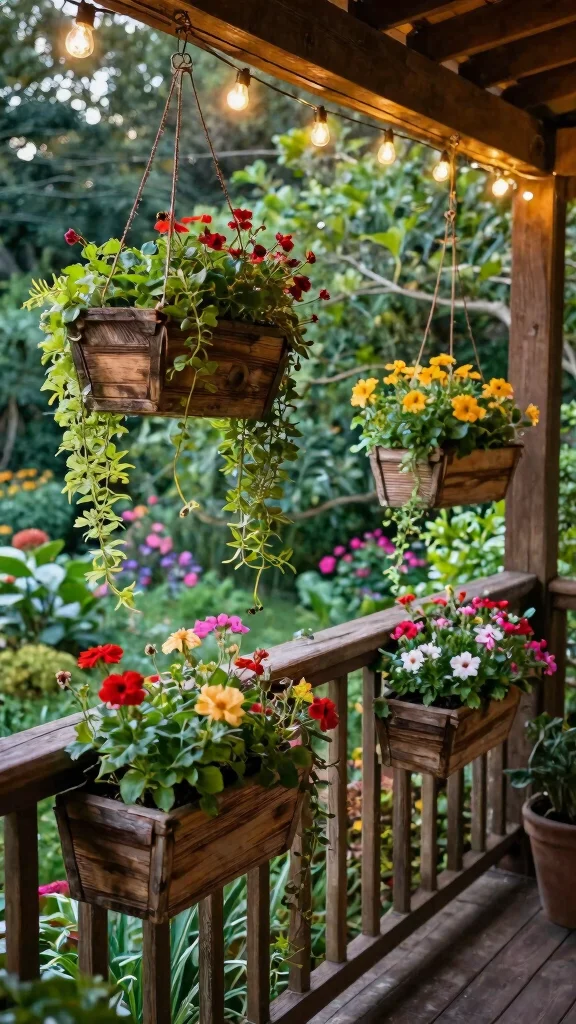
Elevate your gardening experience with hanging wood planters that utilize vertical space for a captivating display. These planters not only save ground space but also showcase your favorite flowers and plants in an eye-catching manner. Crafted from wooden slats, these shallow boxes can be suspended using ropes or chains for an elegant touch.
Begin by cutting wooden slats into your preferred lengths and assembling them into boxes. Don’t forget to drill drainage holes and securely attach ropes or chains for hanging. Choose trailing plants like ivy or vibrant petunias to create a dramatic effect.
To enhance your vertical garden, consider these steps:
– Hang planters at varying heights for visual interest.
– Add a splash of color by painting the wood.
– Use sturdy materials to ensure safety and durability.
Hanging planters are perfect for small spaces, allowing you to bring lush greenery to otherwise unused areas.
Did you know hanging wood flower pots can reclaim up to 60% more vertical space for blooms? These wooden slat planters—drainage holes included—create eye-catching displays with minimal ground footprint. Pro tip: hang them at eye level for the best color impact.
5. Natural Wood Bowls
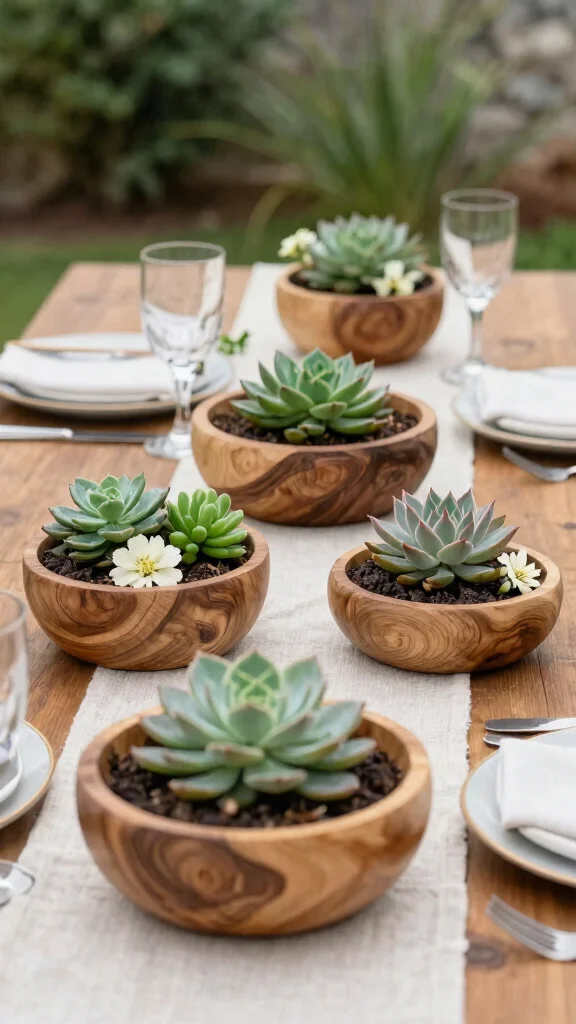
Natural wood bowls can be creatively transformed into striking flower pots, adding an artistic flair to your gardening. These bowls can be left raw to highlight their unique grain or polished for a refined look, making them perfect for table centerpieces or garden displays. Their organic shapes are ideal for showcasing succulents or smaller floral arrangements.
To use wood bowls effectively, ensure they are sealed with a non-toxic waterproof product to prevent any rotting. Fill them with soil and plant succulents or small flowers for a beautiful centerpiece. Grouping bowls of various sizes can create a layered and visually appealing effect.
Try these ideas for using natural wood bowls:
– Select bowls with interesting shapes for added visual appeal.
– Arrange different plants for a colorful display.
– Use bowls as decorative accents on tables or shelves.
This option not only adds creativity to your decor but also encourages the use of natural materials in your home.
How To Choose The Right Wood Flower Pots
When selecting the perfect wood flower pots for your gardening needs, there are many factors to consider. Whether you’re aiming to create rustic garden decor or looking for eco-friendly pots, making informed choices will help you succeed in your outdoor gardening projects. Here are some key criteria to guide your decision-making:
1. Size Matters
Choosing the right size is crucial for your plants. Consider the type of flowers or plants you want to grow. For example, larger plants require bigger pots to accommodate their root systems. Measure your space to ensure the pots fit well, especially if you’re using them on a balcony or patio. A good rule of thumb is to select pots that are at least 10-20% larger than the current size of your plant’s root ball.
2. Material Quality
Not all wood is created equal, so pay attention to the type of wood used in your flower pots. Cedar and redwood are great choices due to their natural resistance to rot and insects. Avoid treated wood that may leach chemicals into the soil. If you prefer reclaimed wood, ensure it is safe for planting. Look for pots that have a natural finish to maintain their aesthetic appeal and durability.
3. Drainage Features
Proper drainage is essential for healthy plants. Check for holes at the bottom of the pots to allow excess water to escape. If you choose decorative pots without drainage, consider placing a smaller pot inside or adding stones at the bottom to improve drainage. This practice will help prevent root rot and keep your plants thriving.
4. Style and Aesthetics
Your wood flower pots should match your garden’s style. Whether you prefer rustic log planters or elegant wooden troughs, consider how each type complements your outdoor decor. Mixing different styles can add depth and interest to your garden. Don’t hesitate to explore DIY options to customize the look of your pots, turning them into unique focal points.
5. Eco-friendliness
If sustainability is important to you, look for eco-friendly pots made from reclaimed or sustainably sourced wood. These options reduce waste and minimize your carbon footprint. Check if the manufacturer uses non-toxic finishes or stains, ensuring that your plants grow in a healthy environment.
6. Budget Considerations
Wood flower pots come in a range of prices. Set a budget that works for you while considering quality and durability. Sometimes spending a little more upfront on a well-made pot can save you money in the long run by avoiding replacements. Don’t forget to factor in any DIY materials if you’re planning to create your own pots!
Pro Tip: Before making a final decision, read reviews or consult gardening forums to see how other gardeners rate specific products. This can provide valuable insights into longevity and performance, helping you choose the best wood flower pots for your garden. Happy gardening! 🌼
6. Wooden Bucket Planters
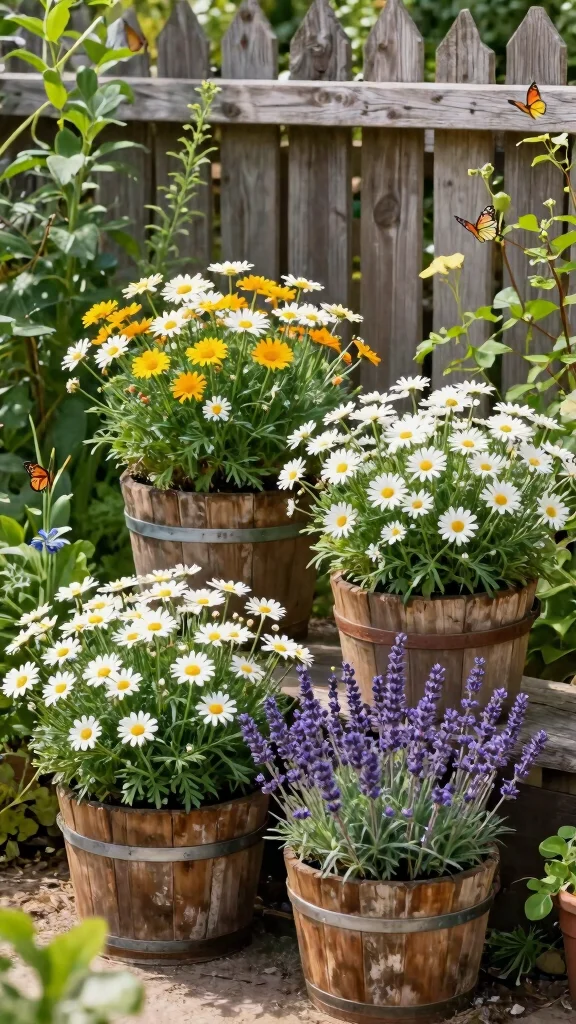
Wooden buckets offer a charming and functional solution for DIY flower pots, evoking nostalgia while adding whimsy to your garden. You can find vintage buckets at flea markets or create new ones using treated wood for a rustic feel. These buckets can be painted or left natural, allowing for personalization.
To craft your wooden bucket planters, cut wood into strips and assemble them into a circular bucket shape. Consider adding a waterproof liner to prevent leaks, and fill them with your favorite potting soil. Select flowers that complement the rustic look, such as daisies or lavender, to enhance their charm.
Here are some tips for creating wooden bucket planters:
– Choose vibrant colors to match your garden theme.
– Use different sizes for varied heights and interest.
– Incorporate handles for easy mobility.
These buckets not only serve as functional planters but also add a delightful touch to your outdoor space.
7. Stacked Wood Planters
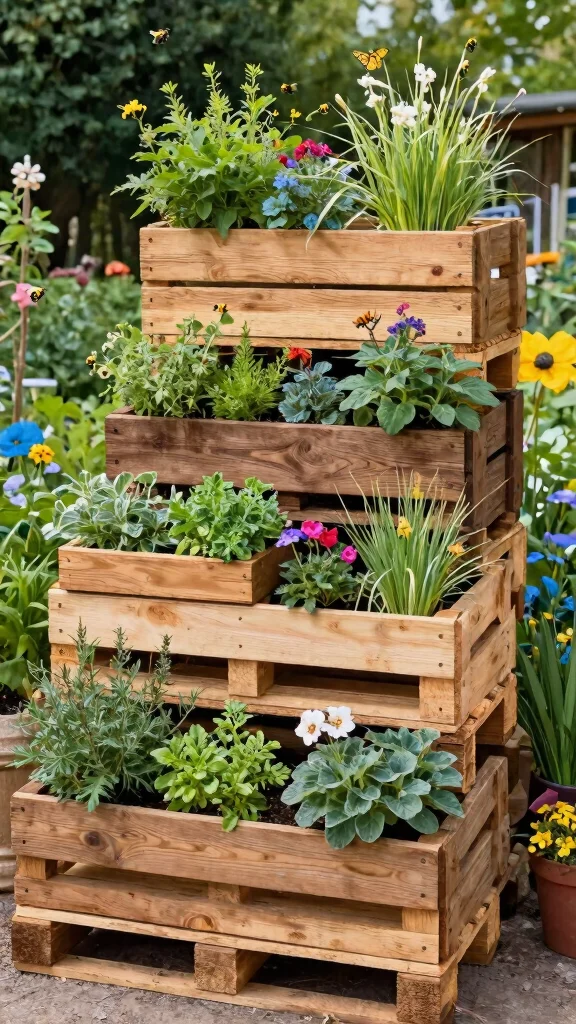
Unleash your creativity with stacked wood planters that introduce height and structure to your garden. Using materials like wooden pallets or crates, you can build planters in a staggered formation, creating a cascading effect that adds visual drama. This design saves ground space while allowing for a variety of plants to thrive in different light conditions.
When building stacked planters, ensure you use sturdy wood to support the weight of soil and plants. Mix different plants on each level for a dynamic display that captivates the eye. Consider placing herbs on the top tier for easy access and trailing flowers on the lower tiers for a beautiful arrangement.
Enhance your garden with these ideas for stacked planters:
– Use colorful plants to create a vibrant display.
– Incorporate a trellis for climbing plants.
– Position them in sunny areas for optimal growth.
Stacked planters make a striking statement piece, drawing attention and admiration to your garden.
8. Wooden Trough Planters
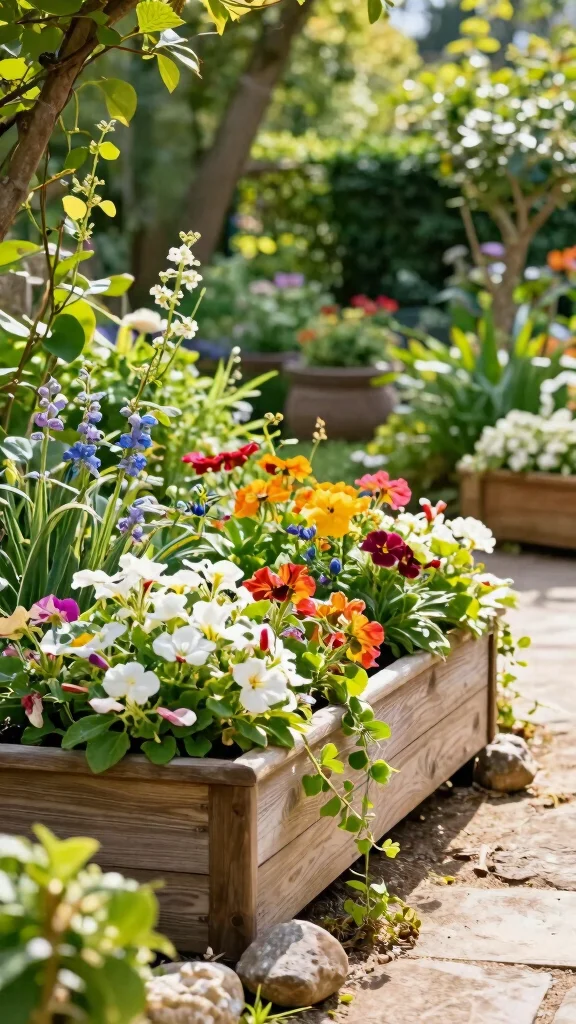
Wooden trough planters offer a sophisticated and rustic option for your garden, ideal for trailing plants or a diverse mix of herbs and flowers. These long, rectangular planters can be constructed by connecting wooden slats, providing ample space for planting. Their elegant design not only enhances the aesthetic but also serves functional purposes in larger outdoor areas.
To create wooden trough planters, build a sturdy frame using treated wood and ensure it has adequate drainage holes. Fill the trough with a quality potting mix and select an array of plants to create a lush, layered look. Adding a trellis along the back can support climbing plants and add height.
Consider these steps for using wooden trough planters:
– Choose plants with varying heights for visual interest.
– Use contrasting colors for a striking display.
– Position them as focal points in your garden layout.
Trough planters can act as a centerpiece in your garden, showcasing vibrant plant life and rustic charm.
Fun fact: Wooden trough planters expand your growing space by up to 40% in compact yards. These long, rectangular wood flower pots cradle trailing herbs and blooms with proper drainage. Pro tip: assemble with treated wood and seal joints for longer life.
9. Wooden Wine Barrel Planters
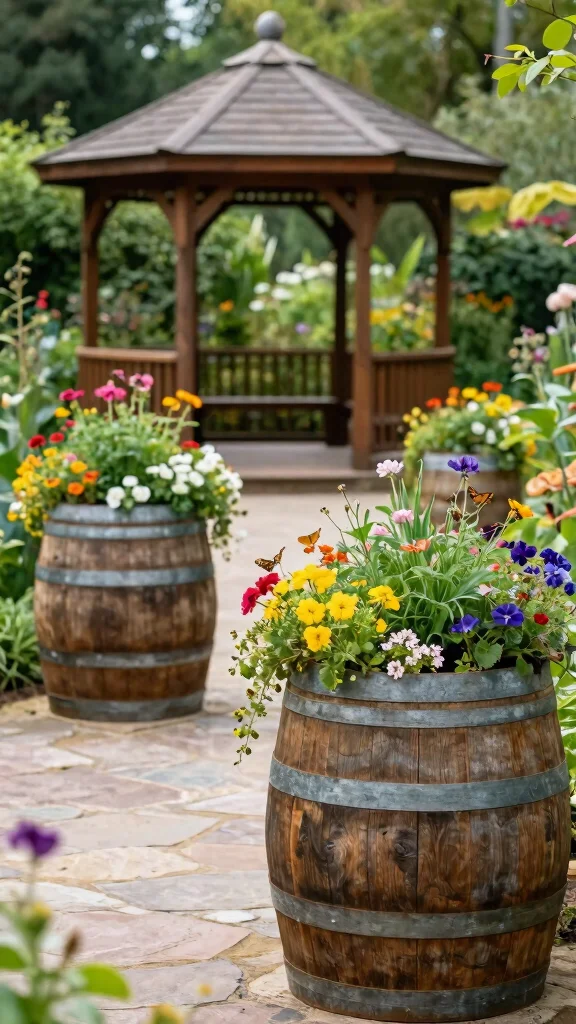
Repurposing wooden wine barrels into planters brings a rustic charm to your garden while promoting sustainability. These sizable barrels can accommodate a range of plants, serving as stunning focal points in your outdoor space. You can cut the barrel in half for two planters or leave it whole for a grand display.
Ensure the barrel is clean and has proper drainage holes before filling it with soil and planting larger flowers or small shrubs for dramatic effect. Placing the barrel on a raised platform can add height and increase visual interest.
Here are some ideas for maximizing wine barrel planters:
– Combine different plant varieties for a colorful arrangement.
– Use trailing plants around the edges for a lush look.
– Decorate the barrel with seasonal accents for added charm.
Wine barrel planters not only provide functionality but also infuse your garden with unique character and charm.
10. Decorative Wood Planters
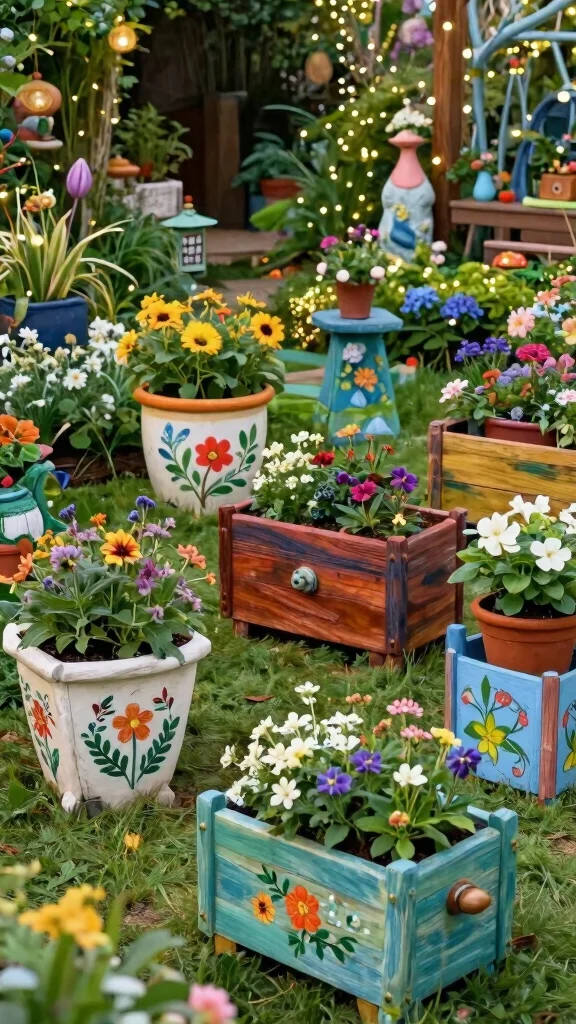
If you enjoy crafting, decorative wood planters offer a perfect outlet for personal expression in your gardening space. These planters can be painted, carved, or stained to complement your home’s aesthetic, allowing for maximum creativity. Consider adding designs through stencils or burnt wood techniques that reflect your personality.
To create your own decorative wood planters, start with simple wooden boxes as a base. Employ non-toxic paints or wood stains to ensure they are safe for your plants. Experiment with different sizes and shapes for an eclectic look that enhances your garden.
Explore these ideas for your decorative wood planters:
– Combine various designs for a playful garden display.
– Use bold colors to make a statement.
– Involve family and friends for a fun weekend project.
This approach not only results in a unique garden display but also creates memorable experiences while crafting.
11. Multi-Level Wooden Planters
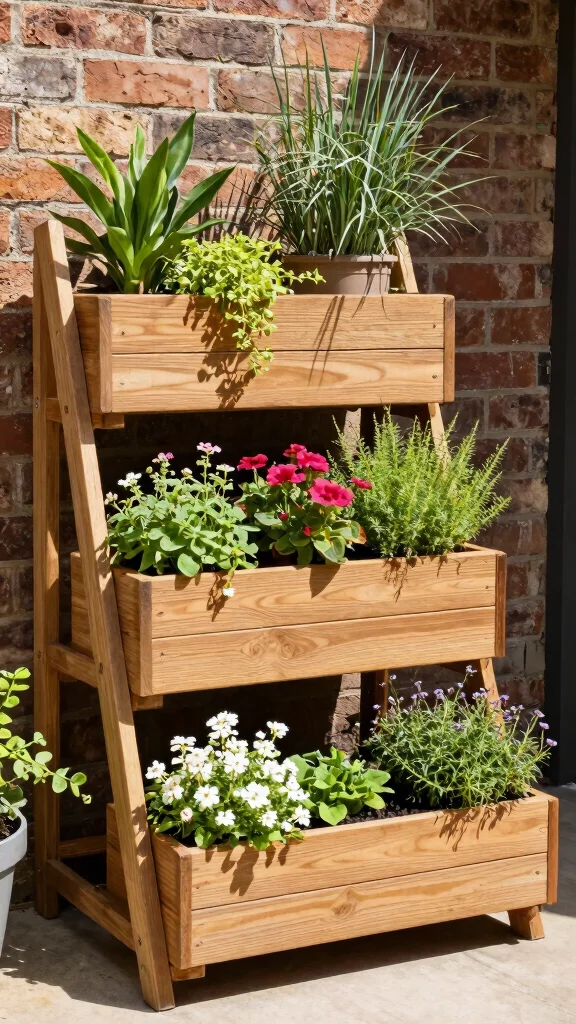
For those with limited space but a passion for plants, multi-level wooden planters are an excellent solution. These planters maximize vertical space while providing multiple layers for a variety of plants. By using a ladder design or tiered shelves, you can create an attractive display that showcases plants at different heights.
To build multi-level planters, construct a frame with wood to create levels, ensuring each tier has proper drainage. Fill the planter with potting soil and select a mix of herbs, flowers, and trailing plants for a vibrant arrangement. Positioning the planter against a wall or in a sunny corner will yield the best results.
Enhance your garden with these tips for multi-level planters:
– Use a variety of plant colors for a lively display.
– Incorporate decorative elements for added character.
– Ensure stability to support the weight of the plants.
Multi-level planters not only save space but also create a visually stunning feature in your garden.
Conclusion
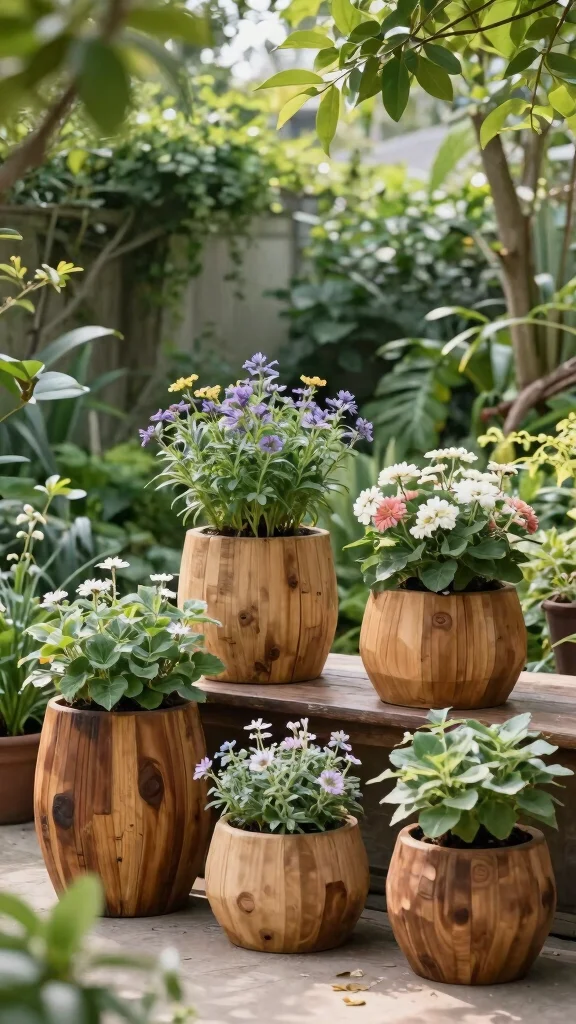
Incorporating wood flower pots into your gardening routine not only adds beauty but also aligns with eco-conscious practices. Embracing the natural textures of wood allows for creativity and personalization in your garden space.
From rustic log planters to reclaimed wood creations, the ideas shared offer something for everyone, elevating your garden or indoor space into a lush sanctuary. So gather your materials, unleash your creativity, and watch your green thumb thrive with these sustainable DIY flower pots!
Note: We aim to provide accurate product links, but some may occasionally expire or become unavailable. If this happens, please search directly on Amazon for the product or a suitable alternative.
This post contains Amazon affiliate links, meaning we may earn a small commission if you purchase through our links, at no extra cost to you.
Frequently Asked Questions
What materials and finishes work best for eco-friendly wood flower pots outdoors?
Choose naturally durable woods like cedar or redwood, or use reclaimed timber for a greener approach. Avoid using pressure treated lumber inside pots; if you must use it for framing, seal it well and keep it mostly outside the soil. For finishes, pick non toxic exterior sealants such as tung oil or linseed oil with a spar varnish topcoat, preferably water based to stay eco friendly. Line the interior with a breathable barrier like landscape fabric to protect the wood while allowing drainage. Drill drainage holes and elevate pots on small feet or a stand to prevent constant moisture contact. Reapply finish every 1-3 years and clean gently between seasons. This approach keeps wood planters looking natural and sturdy for outdoor use and aligns with eco-friendly pots and wood flower pots.
How can I upcycle reclaimed wood into DIY flower containers that fit rustic garden decor?
Start with reclaimed wood or pallets. Pick boards that are straight and rot free. Cut into a shallow box or trough planters. Join with weather resistant screws or simple joints. Drill drainage holes and line the interior with landscape fabric to protect the wood while letting water escape. Sand surfaces lightly to keep the natural grain. Apply a non toxic exterior finish such as tung oil or a water based sealant to protect while preserving rustic look. Add simple touches like rope handles or metal corner braces to enhance rustic garden decor while keeping it practical. This DIY flower containers will fit well with wood flower pots and rustic decor.
What are space saving wood planters ideas for small outdoor spaces like balconies or patios?
Use vertical strategies to save space: build tiered box planters from reclaimed boards, mount a shallow wall planter on a fence, or use railing planters on balconies. Choose lightweight wood and ensure proper drainage so water does not stagnate. Seal with eco friendly finishes. Install drainage holes and add feet or a wall mounting bracket. Group multiple planters with herbs or compact flowers for a lush look. This approach is a smart entry for outdoor gardening tips and wood planters in small spaces.
How do I care for wood flower pots to keep the natural texture and extend their life?
Regular cleaning with a soft brush and mild soap helps keep the natural texture intact. Dry the pot completely between waterings and avoid leaving standing water inside. Use a breathable liner to protect the wood from soil moisture. Refinish every 1-3 years with a non toxic exterior sealant to maintain moisture resistance. Inspect for cracks or rot and replace any damaged boards promptly. Elevate pots on feet or a stand to avoid direct soil contact and winter storage indoors or in a dry shed when possible.
How can I incorporate wooden pots into sustainable outdoor gardening and rustic decor?
Make a sustainable plan by using reclaimed wood for at least part of your collection and combining it with native, drought tolerant plants. Water with rainwater or collected water and group pots to reduce irrigation needs. Mulch around plants to retain moisture. Use offcuts to create small DIY flower containers or herb pots. Mix wood planters with other eco-friendly pots to balance weight and aesthetics. This approach helps you create a rustic garden decor that is durable and kind to the planet, aligning with outdoor gardening tips.
Related Topics
wood flower pots
rustic garden decor
eco-friendly pots
DIY flower containers
outdoor gardening tips
sustainable gardening
beginner friendly
natural textures
upcycled planters
garden aesthetics
easy DIY projects
seasonal planting